EU Regulatory Action Against Crypto Platforms
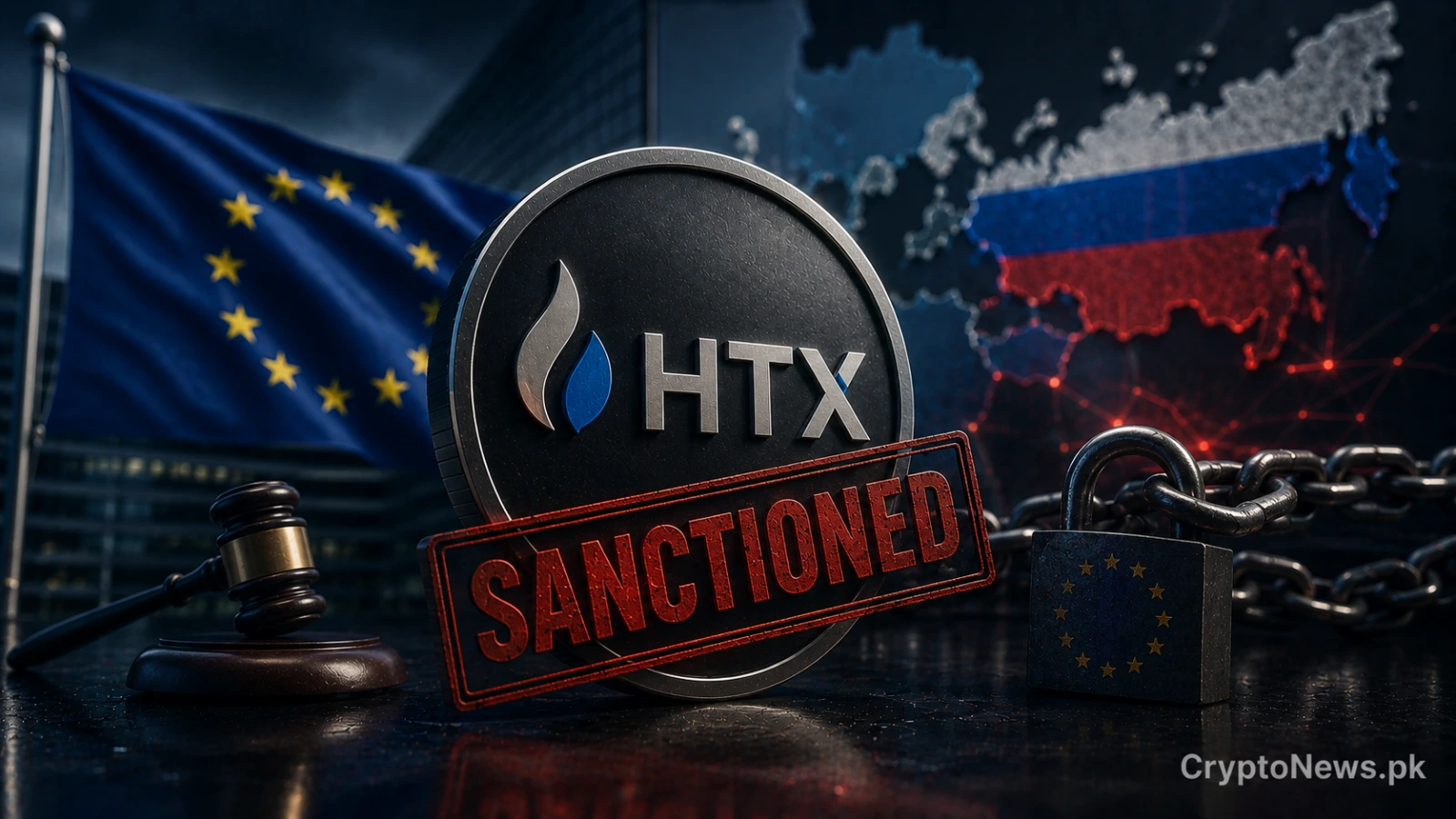
The European Union has officially expanded its sanctions list to include major digital asset platforms, most notably HTX. According to reports from The Block, this regulatory move, which took effect on August 23, prohibits EU-based entities and individuals from engaging in transactions with these platforms. The decision is part of a broader strategy by the bloc to prevent the circumvention of existing financial restrictions imposed on Russia.
Alongside HTX, the updated list includes several other entities such as EXMO, Rapira, BitPapa, Aifory Pro, WhiteBird, NoOnecrypto, and Exnode. These platforms are now restricted from accessing European financial services, and European users are effectively barred from utilizing their services. The move highlights the increasing focus of international regulators on monitoring crypto exchanges as potential channels for bypassing traditional banking sanctions.
Implications for Global Crypto Compliance
This development underscores a significant shift in how international bodies view the role of centralized crypto exchanges in global geopolitics. By targeting specific platforms, the EU is signaling that centralized entities must adhere to strict anti-money laundering and know-your-customer protocols that align with international sanctions regimes. Failure to comply with these standards can result in severe operational restrictions, as seen with this latest batch of designations.
Industry analysts note that this trend is likely to continue as governments refine their ability to track on-chain activity. Exchanges that operate globally now face the difficult task of navigating fragmented regulatory landscapes. Platforms that fail to implement robust screening mechanisms risk being cut off from major liquidity pools and institutional partnerships in the European market.
The Pakistan Angle: What It Means for Local Holders
For Pakistani crypto holders, the EU sanctions against HTX and other platforms serve as a critical reminder regarding the importance of platform due diligence. While these sanctions are specific to the European Union, they often influence the global operational status of international exchanges. Pakistani users who rely on these platforms for trading or remittances should be aware that regulatory pressure on an exchange can lead to sudden service disruptions, account freezes, or liquidity issues.
Furthermore, the Federal Board of Revenue and the State Bank of Pakistan continue to maintain a cautious stance toward digital assets. Pakistani investors should remain vigilant about the platforms they choose, as local regulations often align with international anti-money laundering standards. If an exchange faces global sanctions, it may become increasingly difficult to move funds or verify accounts, potentially impacting the ability of local users to withdraw their holdings. It is advisable for users to monitor the status of their preferred exchanges regularly to avoid being caught in the crossfire of international regulatory actions.
Moving Forward in a Regulated Environment
As the global crypto ecosystem matures, the distinction between compliant and non-compliant entities is becoming more pronounced. Investors are increasingly prioritizing platforms that demonstrate transparency and cooperation with international regulatory authorities. While decentralization remains a core tenet of the industry, the reality of global finance dictates that centralized exchanges must operate within the bounds of international law to maintain long-term viability.
For the average user, this environment necessitates a move toward self-custody solutions where possible. By maintaining control over private keys, users can mitigate the risks associated with exchange-level sanctions or operational failures. Staying informed about the regulatory status of one's chosen exchange is no longer optional but a fundamental part of responsible digital asset management.