Regulatory Crackdown on Digital Asset Platforms
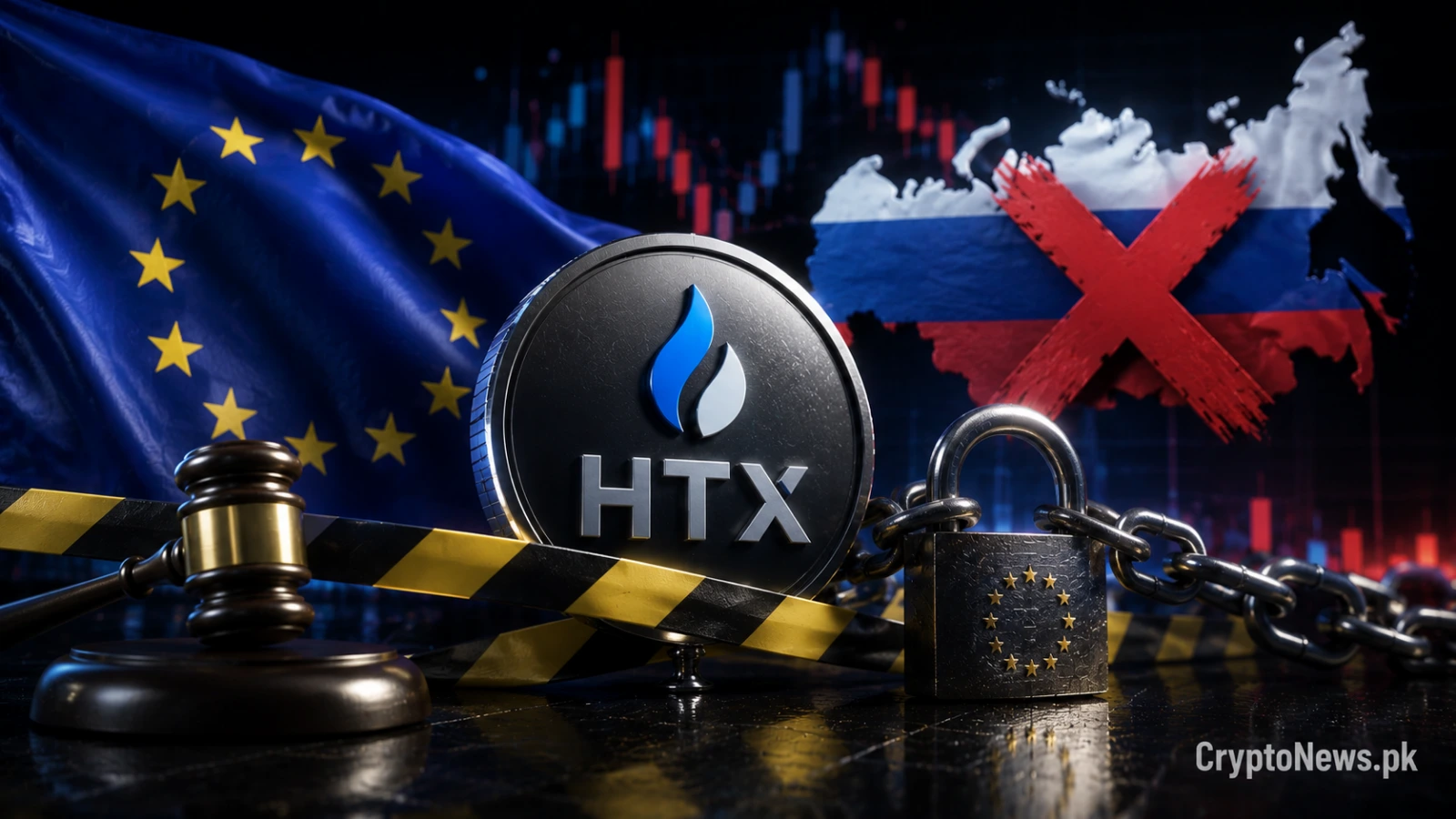
On October 25, 2024, European Union authorities officially designated the cryptocurrency exchange HTX as an entity subject to restrictive measures. According to reports from Reuters, the exchange was added to a list of 18 entities identified by the EU for providing crypto-asset or payment services in direct defiance of sanctions imposed against Russia. This regulatory action marks a significant escalation in the EU's efforts to prevent the use of digital assets to bypass international financial restrictions.
Context of the Sanctions
The inclusion of HTX follows a pattern of increasing scrutiny from Western regulators regarding the role of centralized exchanges in global sanctions enforcement. Cointelegraph reported that the exchange was already facing sanctions from the United Kingdom prior to the EU's recent decision. By targeting these platforms, European regulators aim to disrupt the flow of capital that supports prohibited activities, effectively narrowing the operational window for exchanges that do not adhere to strict compliance protocols regarding sanctioned jurisdictions.
Implications for Global Compliance
This development serves as a stark reminder of the evolving regulatory landscape for crypto exchanges. As governments worldwide align their digital asset policies with traditional financial sanctions, platforms that operate across multiple borders are finding it increasingly difficult to maintain neutral operations. Industry analysts suggest that this trend will likely push more exchanges to implement rigorous Know Your Customer and Anti-Money Laundering procedures to avoid being cut off from major financial markets.
The Pakistan Angle
For Pakistani crypto holders, the international sanctioning of global exchanges like HTX highlights the importance of platform due diligence. While Pakistani users are not directly targeted by these specific EU sanctions, the move can impact the availability of services or liquidity for users who rely on these platforms for international remittances or trading. Currently, the Federal Board of Revenue and the State Bank of Pakistan maintain a cautious stance on digital assets, and local users should be aware that international regulatory actions against an exchange can lead to sudden service disruptions or account restrictions. It is essential for local investors to monitor the compliance status of the platforms they use to ensure their digital assets remain accessible.
Future Outlook
The move by the EU signals that the era of regulatory ambiguity for crypto exchanges is coming to a close, as authorities demonstrate a clear willingness to use the same tools against digital platforms that they have historically used against traditional banks. Investors should anticipate continued pressure on exchanges to demonstrate full compliance with international law. As the global regulatory net tightens, the focus for both exchanges and users will likely shift toward platforms that prioritize transparency and strict adherence to jurisdictional requirements.
Pakistani investors should prioritize using regulated and compliant platforms to avoid the risks associated with international sanctions and potential service interruptions.