A New Era for Ethereum Transactions
The Ethereum network is preparing for a significant shift in how users interact with decentralized applications. According to CoinDesk, the upcoming Hegotá upgrade will feature the implementation of Frame Transactions. This development aims to allow users to pay for gas fees using tokens other than the native ETH, a long-awaited improvement for the ecosystem.
Ethereum co-founder Vitalik Buterin noted that development on this feature has progressed rapidly since it was officially locked into the upgrade last month. By decoupling transaction costs from the native asset, the network seeks to streamline the user experience for those who primarily hold stablecoins or other ERC-20 tokens. This change is expected to reduce the friction currently associated with managing ETH balances solely for network operations.
Technical Implications for the Ecosystem
The Frame Transactions feature functions by allowing third-party paymasters to cover the gas costs on behalf of a user. Once implemented, this mechanism will likely facilitate broader adoption of decentralized finance applications, as users will no longer need to maintain a specific reserve of ETH to execute smart contracts. Developers have emphasized that this remains an optional protocol layer, ensuring that the core security of the Ethereum blockchain remains intact while providing flexibility for wallet providers.
This shift aligns with broader industry trends focusing on account abstraction. By simplifying the technical requirements for interacting with the blockchain, Ethereum developers hope to make the network more accessible to individuals who are not deeply familiar with the complexities of managing native gas tokens. The community expects this to be a major milestone in the network's ongoing roadmap toward mass-market usability.
Impact on Pakistani Crypto Holders
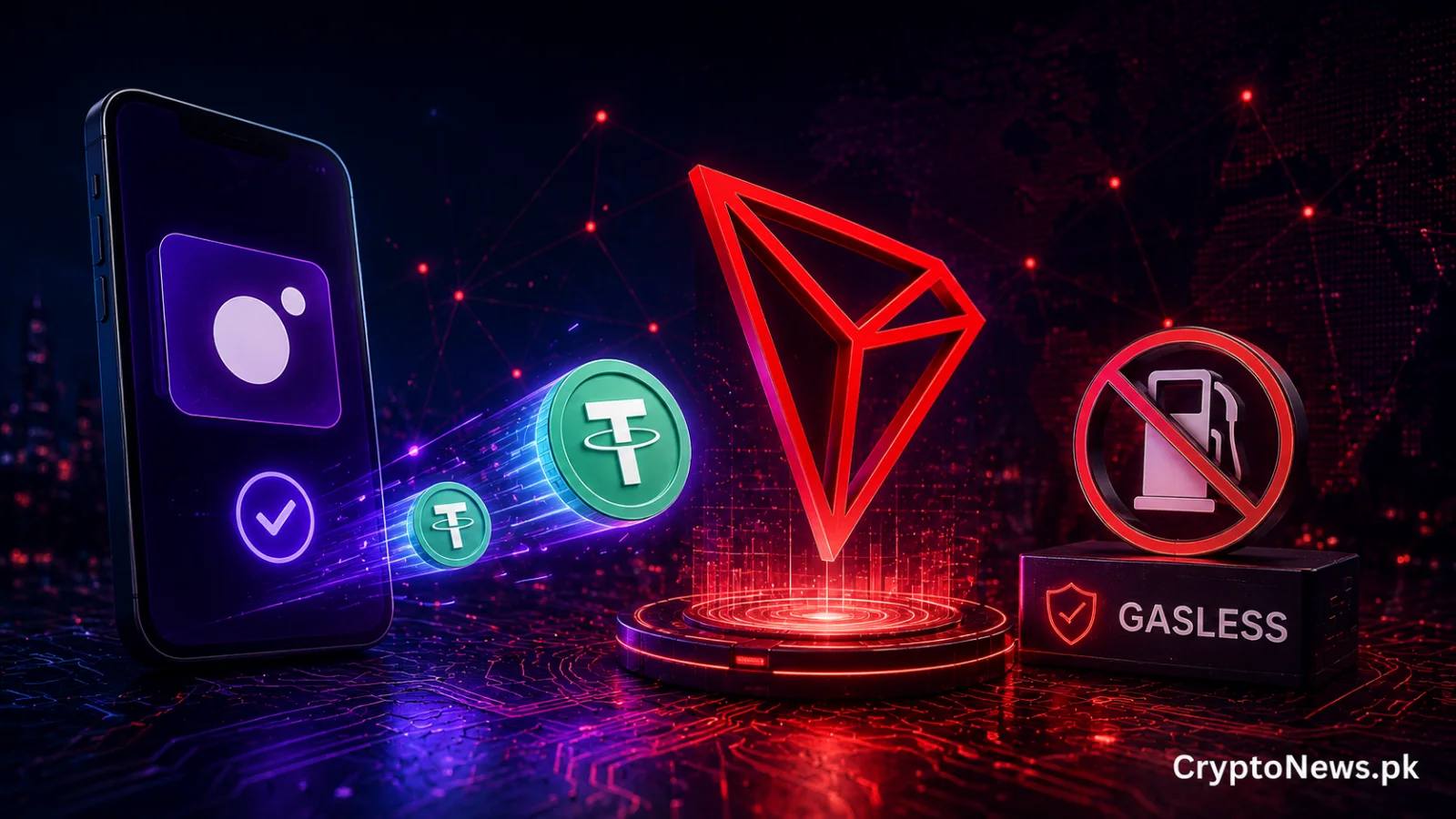
For crypto enthusiasts in Pakistan, this update could simplify the process of interacting with decentralized protocols. Currently, Pakistani users often face liquidity challenges when needing to acquire small amounts of ETH specifically to cover gas fees on local or international exchanges. If applications begin supporting gas payments in stablecoins like USDT, which is widely used in the local peer-to-peer market, the barrier to entry for decentralized finance will be significantly lowered.
However, users should remain aware of the regulatory environment in Pakistan. While the State Bank of Pakistan and the Federal Board of Revenue continue to monitor digital asset activity, the use of decentralized wallets remains a gray area. Pakistani holders should ensure they remain compliant with local guidelines regarding digital assets and avoid using platforms that do not provide clear transparency. The ability to pay gas in stablecoins does not change the underlying legal status of these transactions within the country.
Looking Ahead
As the Hegotá upgrade approaches, the Ethereum community is watching closely to see how effectively these changes are integrated into existing wallet infrastructures. While the timeline for full deployment remains subject to final testing, the commitment from core developers suggests a clear path toward a more user-friendly Ethereum. The success of this initiative could set a new standard for how other layer-one blockchains handle transaction fees in the future.
For Pakistani users, the move toward gasless transactions represents a practical step toward easier participation in the global digital economy, provided they continue to navigate the local regulatory landscape with caution.