# Debate Intensifies Over Freezing Satoshi's Bitcoin Amid Quantum Computing Concerns
The crypto community is embroiled in a heated debate over the future security of Bitcoin, focusing on the vast holdings attributed to its pseudonymous creator, Satoshi Nakamoto. The discussion has been sparked by the potential threat of quantum computing, which could compromise Bitcoin's cryptographic security. "Quantum computers could eventually forge Bitcoin’s digital signatures," warns experts, highlighting the urgency of addressing this risk.
Quantum Computing: A Looming Threat
Quantum computers are exponentially more powerful than traditional computers. Their ability to process complex calculations rapidly poses a potential threat to the cryptographic security that underpins Bitcoin and other cryptocurrencies. This concern, often referred to as "Q-Day," could allow unauthorized transactions by breaking Bitcoin's digital signatures. According to CoinDesk, the crypto community is increasingly aware of this threat, prompting discussions on how to safeguard digital assets.
Changpeng Zhao's Proposal
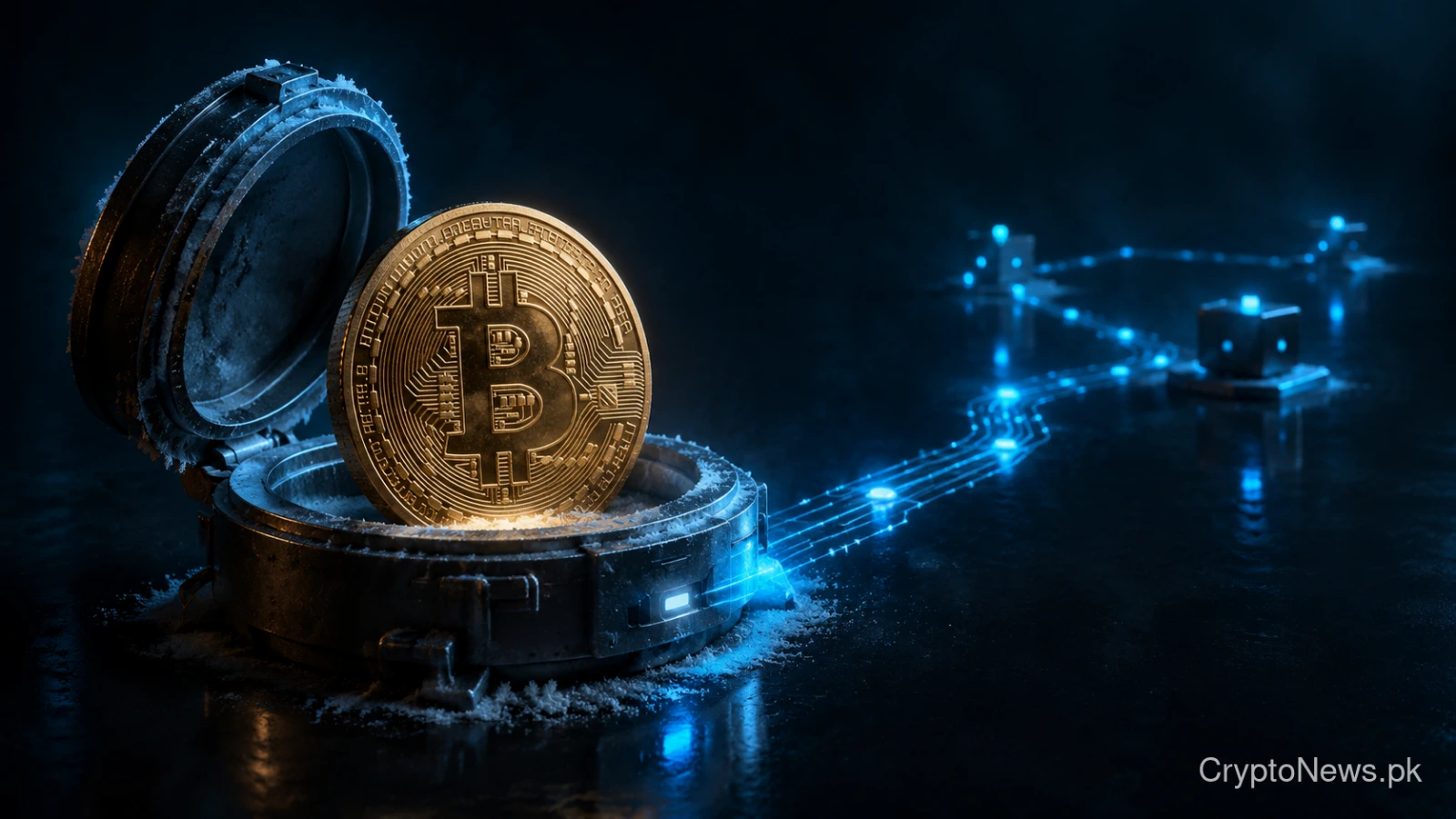
Changpeng Zhao, the founder of Binance, has proposed freezing Satoshi Nakamoto's estimated 1.1 million Bitcoin as a precaution against the quantum threat. This suggestion has ignited a debate within the crypto community. Some argue that preemptive measures are necessary to protect these significant assets, while others believe that such actions could undermine Bitcoin's decentralized ethos. The debate underscores the tension between security and decentralization, a core principle of cryptocurrency.
Implications for Pakistan
In Pakistan, where cryptocurrency adoption is on the rise, the implications of this debate are noteworthy. The potential impact on Bitcoin's security could influence local investors and exchanges, especially as Pakistan navigates its regulatory landscape with the Pakistan Virtual Assets Regulatory Authority (PVARA). The PVARA, established under the Virtual Assets Act of 2026, aims to regulate and integrate digital currencies into the financial system. Understanding and addressing the quantum threat could play a critical role in shaping future policies, although the immediate impact on Pakistan's crypto market may be minimal. The Federal Board of Revenue (FBR) has already imposed a 15% capital gains tax on crypto transactions, indicating the government's interest in regulating this growing sector.
The Need for Vigilance and Innovation
While there is no consensus yet on how to address the quantum threat, the ongoing debate highlights the need for vigilance and innovation in the face of emerging technological challenges. As the crypto community continues to explore potential solutions, such as quantum-resistant cryptographic algorithms, it is crucial for stakeholders to remain informed and proactive. According to Decrypt, the development of these technologies will be essential to safeguarding the future of cryptocurrencies.
Conclusion
The debate over freezing Satoshi's Bitcoin is a reminder of the evolving challenges facing the crypto world. As quantum computing advances, the crypto community must balance security concerns with the principles of decentralization. For countries like Pakistan, understanding these dynamics is vital for shaping effective regulatory frameworks and fostering a secure environment for digital asset growth.