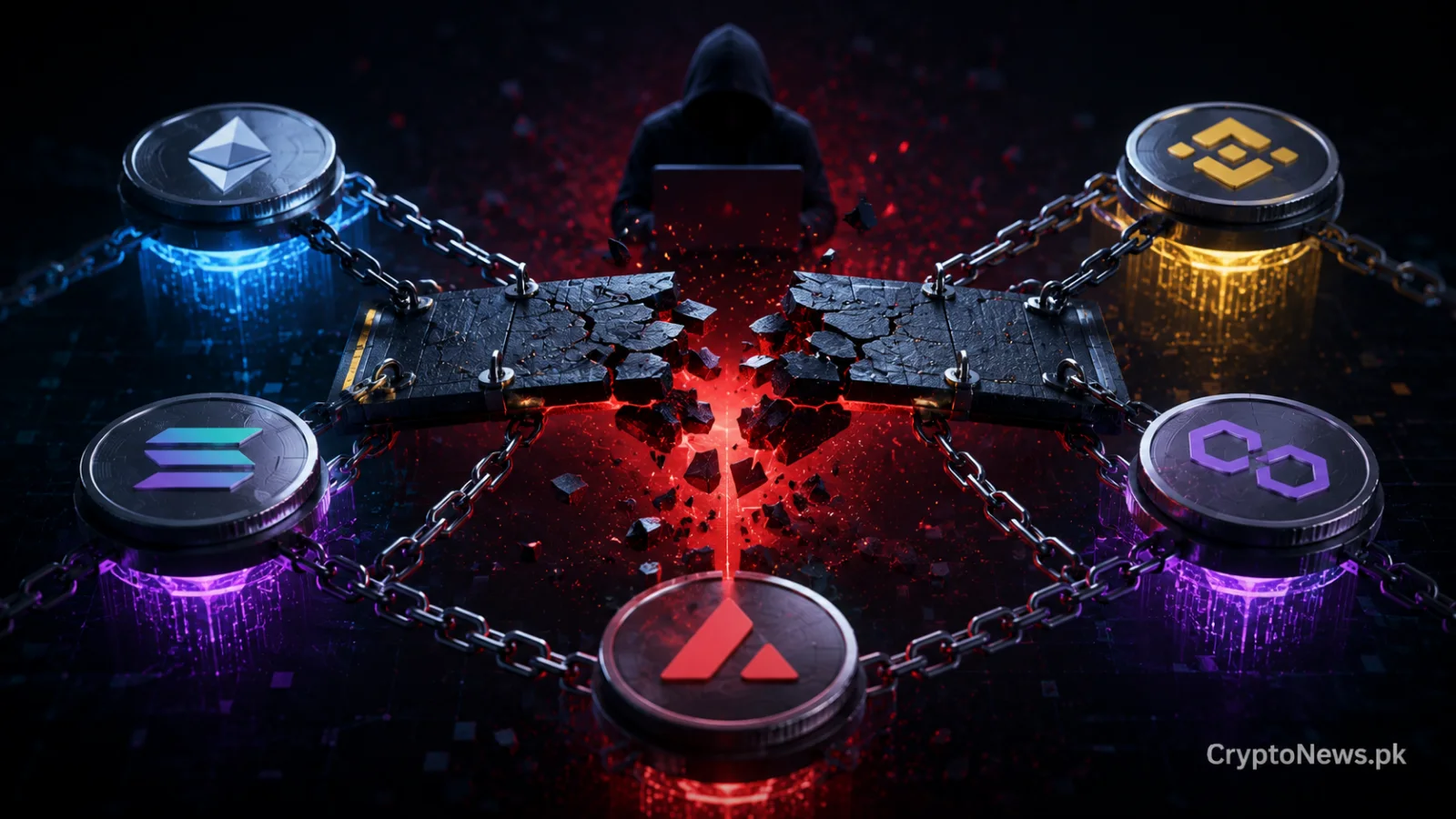
A Wave of Coordinated Security Breaches
On October 24, 2024, the decentralized finance sector faced a significant security setback as several cross-chain protocols were compromised in a series of attacks occurring only hours apart. According to reports from CoinDesk, the incidents resulted in a total loss of approximately $35 million. The affected platforms included Verus and the B2 Network, among several other cross-chain systems that facilitate the transfer of assets between different blockchain networks.
Technical Vulnerabilities Exposed
These attacks did not stem from flaws in the underlying cryptography of the blockchains themselves. Instead, security analysts noted that the perpetrators exploited weaknesses in upgrade powers, compromised administrative keys, and validation checks within the protocols. By gaining unauthorized access to these control mechanisms, the attackers were able to drain liquidity pools and bridge reserves without triggering standard security alerts.
This trend underscores a persistent challenge in the DeFi space where the complexity of cross-chain bridges often introduces centralized points of failure. Even when the core blockchain remains secure, the smart contracts governing the movement of assets between chains remain high-value targets for sophisticated actors. The speed at which these attacks occurred suggests a level of coordination that has prompted developers to pause bridge operations while conducting emergency security audits.
Impact on the Pakistani Crypto Landscape
For Pakistani crypto holders, these incidents serve as a stark reminder of the risks associated with interacting with experimental decentralized protocols. While many local investors primarily utilize centralized exchanges to trade major assets like Bitcoin and Ethereum, those exploring the DeFi ecosystem to earn yields or participate in liquidity mining are particularly vulnerable. When a cross-chain bridge is exploited, the value of the wrapped tokens held by users can drop to zero instantly, regardless of the user's location.
Furthermore, the lack of a formal regulatory framework in Pakistan under the Prevention of Electronic Crimes Act (PECA) or specific guidelines from the State Bank of Pakistan means that victims of such hacks have little to no recourse for asset recovery. Pakistani users should prioritize using well-audited, established platforms and exercise extreme caution when bridging assets across different chains. It is essential to remember that in the world of decentralized finance, the security of your assets is entirely your own responsibility.
Lessons for the Future of DeFi
The broader crypto industry is expected to increase pressure on developers to implement more robust multi-signature requirements and decentralized governance models to prevent single points of failure. As protocols continue to evolve, the focus is shifting toward security-first architecture rather than rapid feature deployment. Investors are encouraged to monitor the official communication channels of any protocols they use to stay informed about potential emergency measures or security updates.