The Incident and Network Rollback
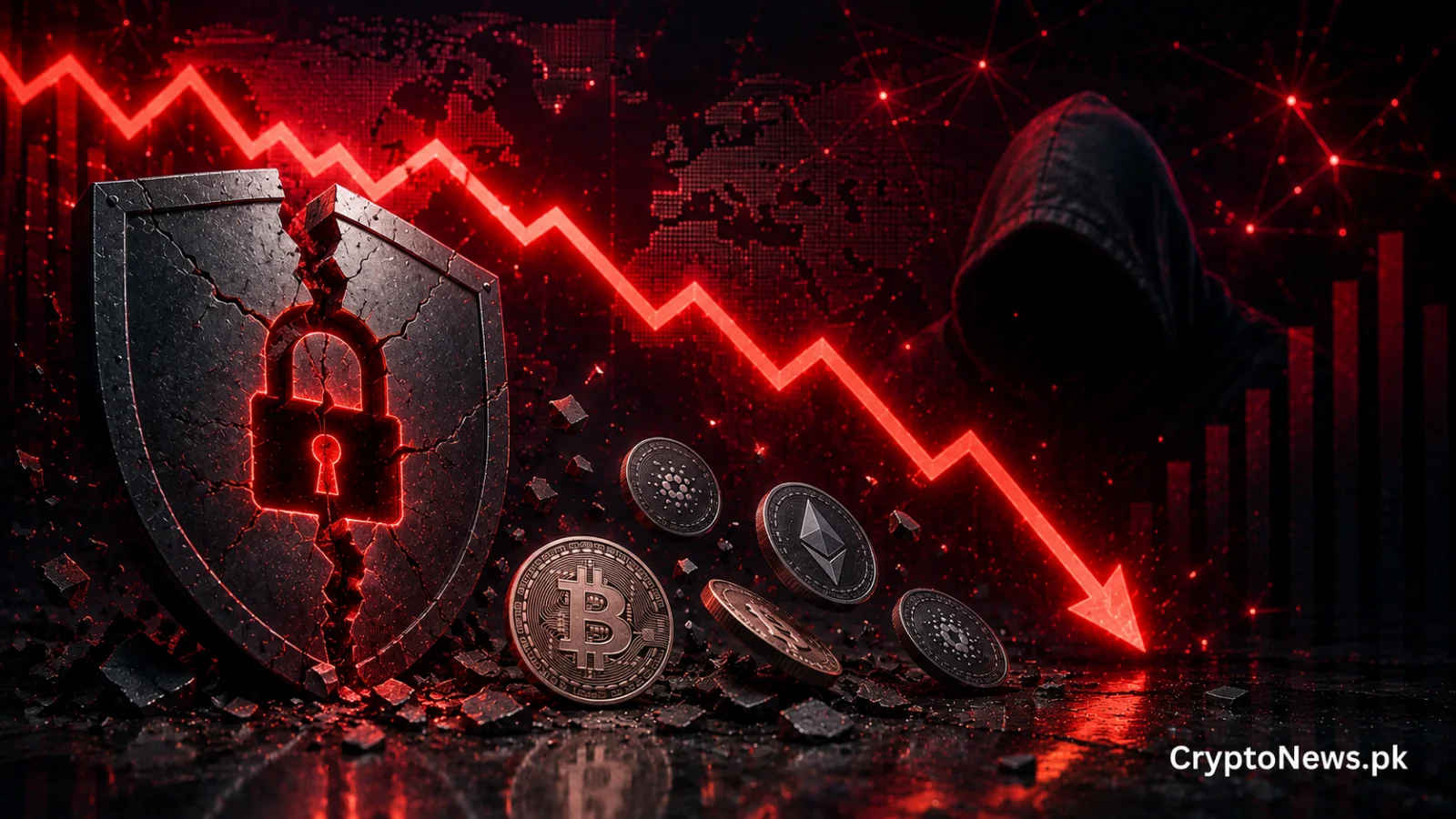
On November 11, 2024, the Cronos network team initiated a coordinated effort to reverse a significant security exploit that resulted in the loss of approximately $111 million. According to official reports from the Cronos team, the protocol suffered a vulnerability that allowed unauthorized actors to drain liquidity pools. To prevent further damage, the network validators agreed to a two-hour rollback of the blockchain state.
This drastic measure effectively erased all transactions that occurred during that specific window. While the rollback succeeded in stopping the drain, it also nullified legitimate user transactions processed during those two hours. The team confirmed that while the majority of the funds were secured, approximately $9.19 million remains unrecovered and potentially lost to the attackers.
Impact on Decentralized Finance
DeFi exploits remain a persistent challenge for the broader blockchain ecosystem. By choosing to roll back the chain, Cronos prioritized the preservation of total network liquidity over the immutability of transaction history. Such actions are rare and controversial, as they challenge the core principle of censorship resistance that decentralized networks strive to uphold.
According to Decrypt, the incident highlights the ongoing risks associated with smart contract vulnerabilities. Developers and auditors are now under increased pressure to enhance security protocols to prevent similar events. The Cronos team stated that they are working to identify the attackers and are cooperating with law enforcement agencies to track the remaining stolen assets.
The Pakistan Angle
For Pakistani crypto holders, this incident serves as a stark reminder of the risks inherent in decentralized finance and cross-chain platforms. While Cronos is an EVM-compatible chain often accessed by local traders via international exchanges, the rollback highlights that even established networks are not immune to administrative intervention.
Pakistani users should note that local regulations, such as those monitored by the FBR or the PVARA, focus primarily on anti-money laundering and tax compliance rather than the technical security of international blockchain protocols. There is no local recourse for funds lost in international DeFi exploits. Traders in Pakistan are encouraged to prioritize self-custody and conduct thorough due diligence before interacting with liquidity pools or decentralized applications that may be susceptible to similar network-level interventions.
Future Security Considerations
Moving forward, the Cronos team has promised to implement more robust monitoring systems to detect anomalies in real time. The event has sparked a wider conversation about the necessity of emergency kill switches in DeFi protocols. While some argue these tools are essential for protecting user funds, others maintain that they introduce centralized points of failure that undermine the purpose of blockchain technology.
Investors should remain cautious when navigating high-yield DeFi platforms, as technical vulnerabilities can lead to sudden and irreversible losses regardless of the underlying asset value. Maintaining a diversified portfolio and using hardware wallets remain the best defense against the volatility and security risks present in the digital asset space.