The Network Rollback Incident
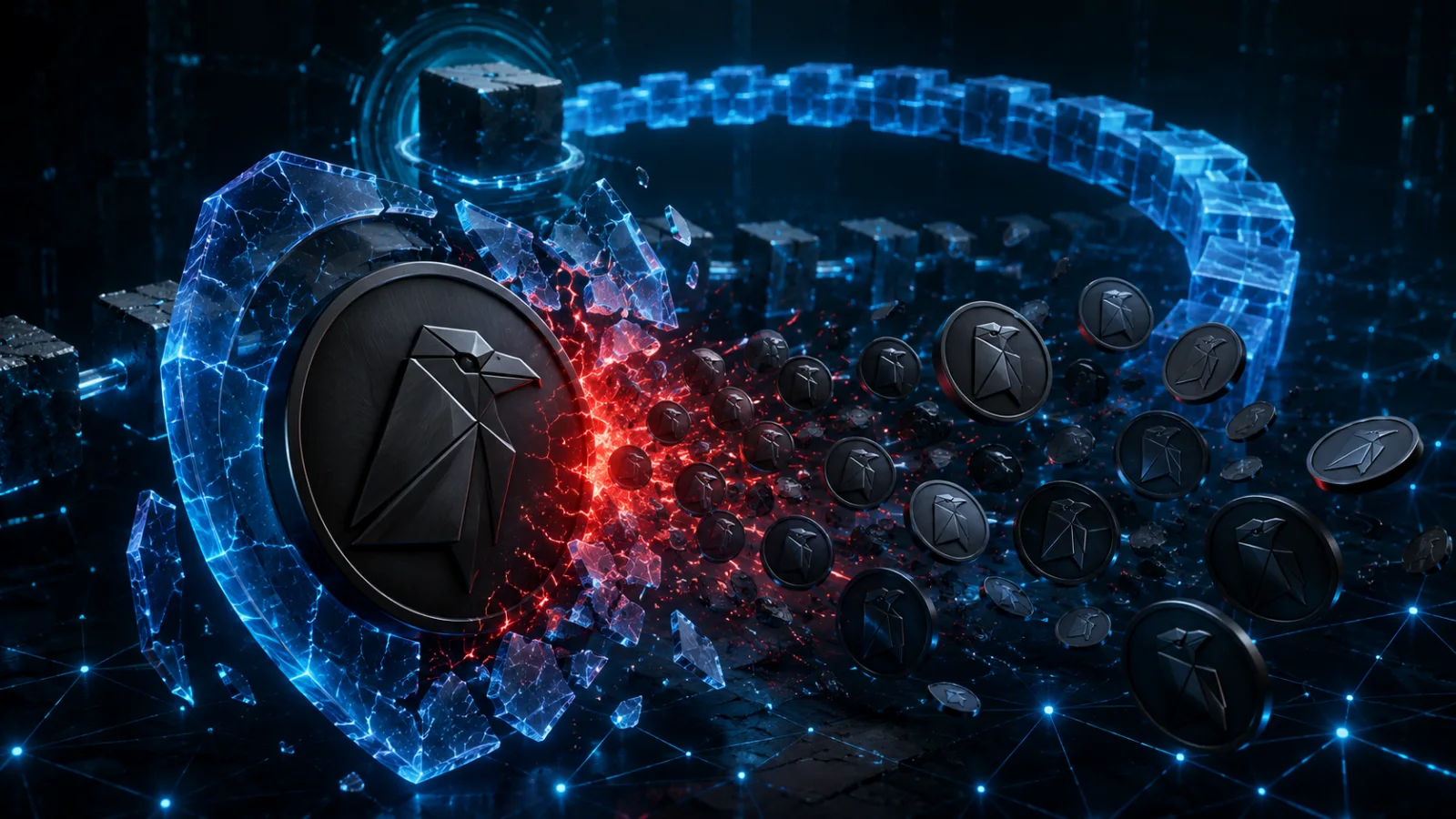
On a recent date, the Cronos blockchain network underwent a significant technical intervention to address a major security breach. According to CoinDesk, validators reached a consensus to roll back nearly two hours of blockchain history. This drastic measure was taken to recover approximately $111 million in digital assets that had been compromised during the exploit.
While the recovery effort was largely successful, the incident highlights the risks associated with decentralized networks. Despite the network halt and subsequent rollback, attackers still managed to siphon off $9.19 million before the protocol was fully secured. This event has sparked fresh debates within the industry regarding the trade-offs between decentralization and the ability to intervene during security failures.
Understanding Blockchain Immutability
Blockchain technology is fundamentally built on the principle of immutability, which suggests that once a transaction is recorded, it cannot be altered. However, when a network is small enough or governed by a specific set of validators, the community can choose to revert the state of the ledger. This process is often controversial because it undermines the trustless nature of the ecosystem.
Proponents of the rollback argue that protecting user funds is the highest priority for network health. Conversely, critics suggest that such actions set a dangerous precedent. If a network can simply erase history to solve problems, it may discourage institutional investors who rely on the permanence of blockchain records for auditing and compliance purposes.
Security in the Decentralized Era
This incident serves as a reminder that even established networks are susceptible to sophisticated attacks. The speed at which the Cronos team acted to halt the network was critical in limiting the total losses. Security experts often emphasize that while code is law in the crypto space, the human element of governance remains a fallback mechanism when things go wrong.
Users are encouraged to practice caution when interacting with cross-chain bridges and decentralized finance protocols. Diversifying asset storage and monitoring network status updates are essential habits for those managing significant crypto holdings. The ability to pause a chain is a double-edged sword that provides safety but challenges the core ethos of censorship resistance.
Impact on Pakistani Crypto Holders
For Pakistani crypto holders, this incident highlights the importance of platform due diligence. While local exchanges in Pakistan do not typically list Cronos directly, many users access such networks through international platforms or decentralized wallets. If a user holds assets on a chain that undergoes a rollback, they may experience temporary disruptions in liquidity or transaction processing.
From a regulatory standpoint, the Federal Board of Revenue and the Financial Monitoring Unit in Pakistan continue to monitor digital asset activities. Investors should keep in mind that assets held on foreign decentralized protocols fall outside the scope of local consumer protection laws. It is vital to maintain records of all transactions, as the volatility and technical risks associated with global blockchain events can complicate tax reporting and asset verification.
Crypto investors in Pakistan should prioritize security by using hardware wallets and staying informed about the governance models of the networks where their capital is deployed.