Escalating Scope of the Security Breach
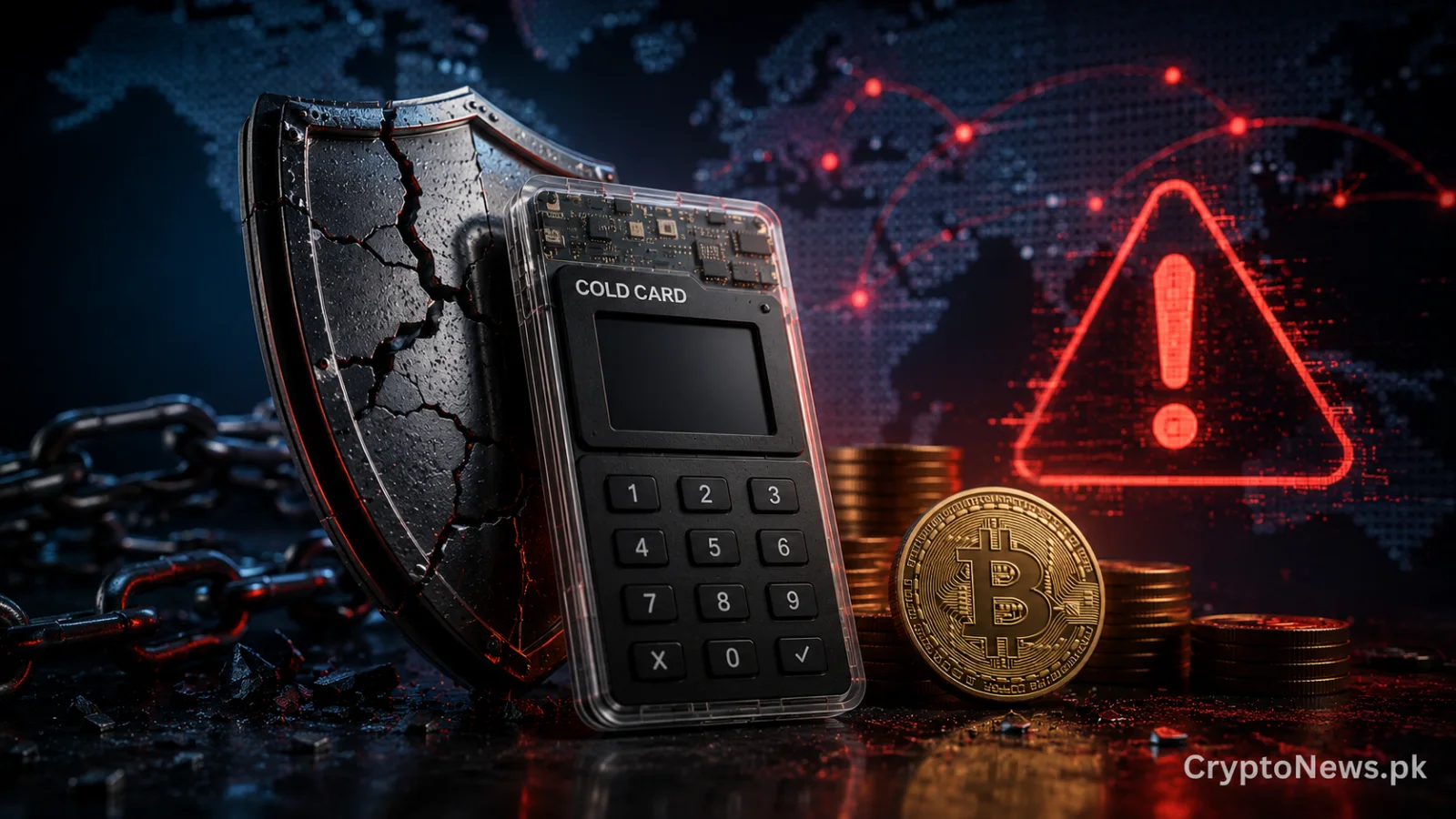
A recent investigation by Galaxy Research has provided a clearer picture of the security incident involving Coldcard hardware wallets. According to the report, analysts identified 1,196 unique addresses that collectively lost 1,082.65 Bitcoin. This unauthorized activity occurred within a brief 41-minute window, leading experts to estimate the total value of the lost assets at approximately $70 million based on current market valuations.
The findings suggest that the breach was highly coordinated and targeted. By tracking the movement of funds on the blockchain, Galaxy Research was able to isolate the specific timeframe and the volume of assets affected. This data provides a more comprehensive view than initial estimates, which had previously understated the total number of compromised wallets and the aggregate value of the stolen cryptocurrency.
Understanding the Mechanism of Loss
Hardware wallets like Coldcard are generally considered the gold standard for self-custody due to their offline capabilities. However, this incident highlights that even hardware-based security is not immune to sophisticated attack vectors. The analysis points toward vulnerabilities that may have been exploited during the signing process or through interactions with compromised software interfaces.
Security researchers emphasize that users must remain vigilant regarding their firmware updates and the software they pair with their hardware devices. While the specific technical exploit remains a subject of ongoing investigation, the scale of this loss serves as a stark reminder of the risks inherent in managing significant digital asset holdings. Protecting private keys requires not just hardware, but also a disciplined approach to operational security.
Implications for Pakistani Crypto Holders
For crypto enthusiasts in Pakistan, this incident underscores the critical importance of self-custody best practices. While many local users rely on centralized exchanges to trade, those moving assets to hardware wallets must ensure they are sourcing devices from official, verified channels rather than secondary markets. Using unofficial resellers or refurbished devices can introduce supply chain vulnerabilities that lead to total asset loss.
Furthermore, Pakistani holders should be aware that recovering lost assets in the decentralized ecosystem is notoriously difficult, as there is no central authority to reverse transactions. Given the current regulatory environment under the FBR and the ongoing discussions regarding the PVARA, local users should prioritize security to avoid becoming targets of sophisticated phishing or malware campaigns. Keeping software updated and verifying transaction details on the device screen before signing remains the most effective defense for local investors.
Moving Forward with Caution
The broader crypto community is currently awaiting further technical disclosures from the manufacturers involved. As the investigation continues, the focus remains on whether the vulnerability was localized to specific firmware versions or if it represents a broader systemic issue. Investors are advised to monitor official channels for security patches and to consider diversifying their storage methods to mitigate single points of failure.
Ultimately, the $70 million loss serves as a sobering event for the industry, emphasizing that the responsibility of security rests entirely with the individual owner. As the digital asset landscape in Pakistan continues to evolve, the necessity for robust security protocols becomes increasingly vital for protecting personal wealth from global threats.