Understanding the Coldcard Incident
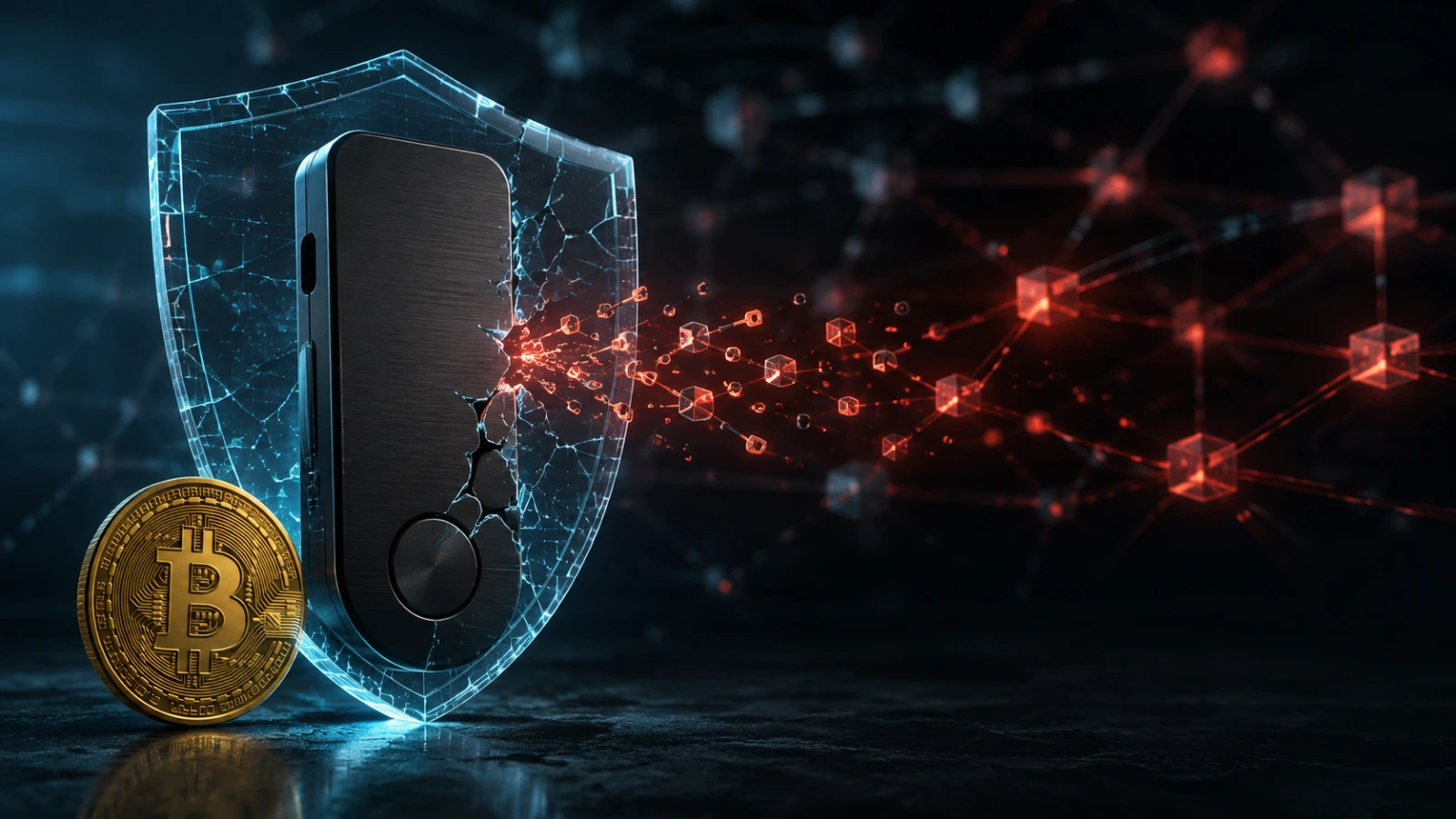
Recent reports indicate a security incident affecting users of Coldcard hardware wallets, leading to concerns regarding the safety of self-custody practices. According to Cointelegraph, there is no definitive total loss figure available yet, as investigators are currently synthesizing victim reports and on-chain forensic data which continue to produce varying estimates. This incident has prompted renewed scrutiny of how hardware wallet users manage their private keys and interact with external systems.
The Mechanics of Hardware Wallet Security
Hardware wallets are frequently used to store private keys in an offline environment. However, this incident serves as a reminder that no storage solution is entirely immune to sophisticated attack vectors. Security researchers emphasize that users must remain diligent regarding firmware updates and the physical security of their devices. The industry is currently evaluating whether the reported vulnerabilities stemmed from supply chain issues, software exploits, or user-side operational security failures.
Investigative Challenges in On-Chain Forensics
Tracking stolen digital assets requires technical expertise and cooperation between centralized exchanges and law enforcement agencies. On-chain analysis allows investigators to map the flow of assets, but the anonymity provided by various privacy tools often complicates the recovery process. Industry analysts note that once funds are moved through certain obfuscation services, the ability to freeze or recover those assets diminishes significantly. This underscores the importance of proactive security measures over reactive recovery attempts.
Implications for Pakistani Crypto Holders
For crypto holders in Pakistan, this incident highlights the importance of maintaining rigorous personal operational security. As many local investors move assets from centralized exchanges to self-custody wallets to mitigate platform risk, they assume full responsibility for their security. Pakistani users should ensure they purchase hardware wallets only from official, verified manufacturers rather than third-party resellers to avoid potential tampering.
Furthermore, users should be aware that the Federal Board of Revenue (FBR) maintains a broad mandate regarding taxable assets, and losing access to funds through a security breach does not necessarily exempt an individual from reporting obligations. Because Pakistan lacks a formal regulatory framework for digital asset recovery, victims of such hacks have limited recourse within the domestic legal system. This content is provided for informational purposes only and does not constitute financial or legal advice.
Best Practices for Asset Protection
To minimize risk, security professionals often suggest the use of multisig wallets and emphasize the importance of never sharing seed phrases or recovery keys. Maintaining a clean digital environment for interacting with hardware wallets is also essential to prevent malware from intercepting transaction data. While self-custody offers autonomy, it requires a disciplined approach to cybersecurity that goes beyond simply owning a hardware device. Staying informed about the latest security advisories remains the best defense against evolving threats in the digital asset landscape.
For Pakistani investors, the primary takeaway is that self-custody is a powerful tool for autonomy, but it demands rigorous personal security habits to prevent irreversible losses.