Regulatory Expansion in Europe
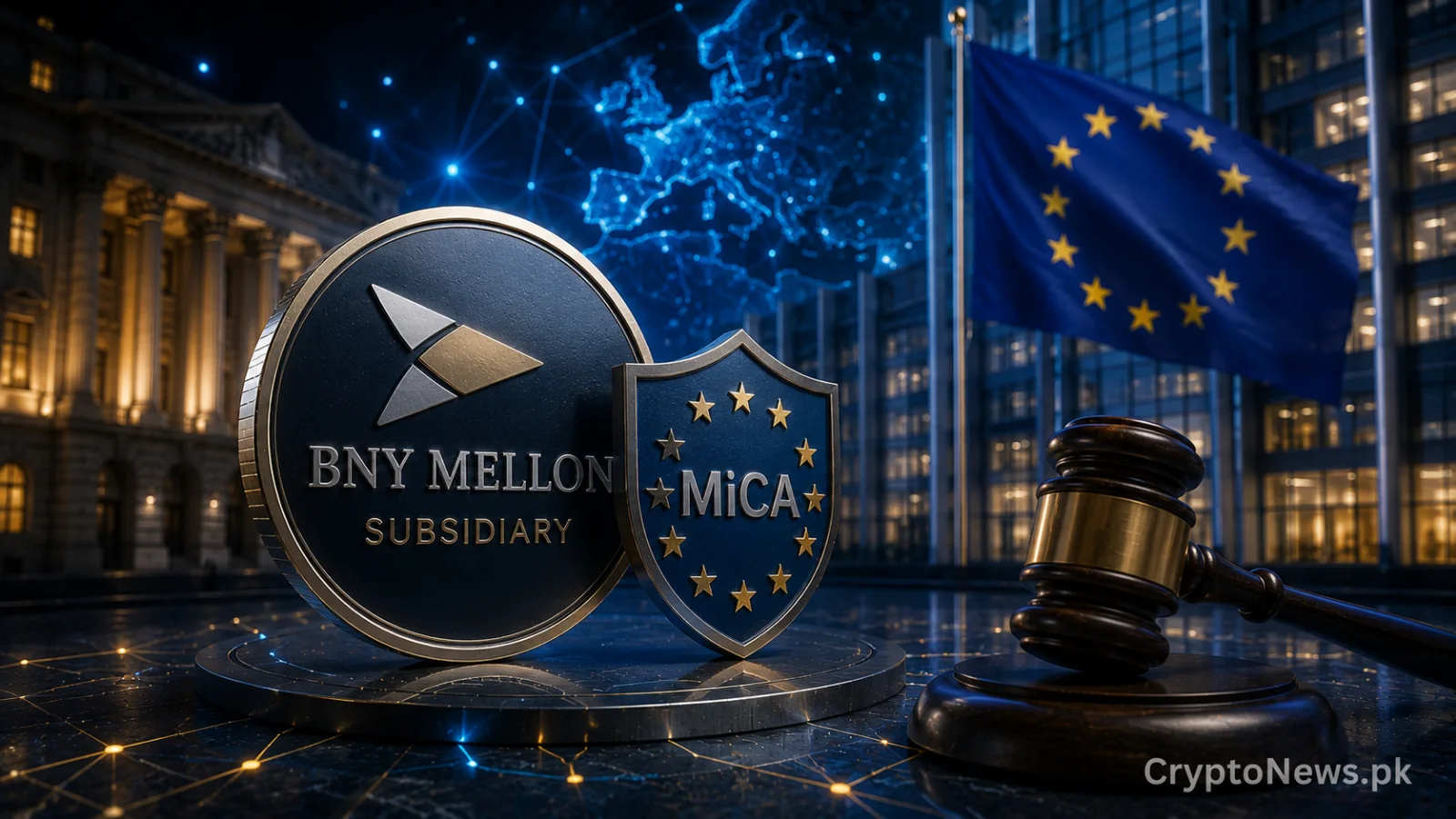
The European Securities and Markets Authority (ESMA) has officially updated its registry of Crypto Asset Service Providers (CASPs), adding 15 new entities to the list. This expansion follows the implementation of the Markets in Crypto Assets (MiCA) regulation, which aims to provide a unified legal framework for digital assets across the European Union. Among the notable additions is the European subsidiary of BNY Mellon, a major global financial institution, signaling a continued trend of traditional banking sector integration within the digital asset space.
Understanding the MiCA Framework
MiCA represents one of the most comprehensive regulatory frameworks for crypto assets globally. According to Cointelegraph, the registry serves as a central source of truth for entities authorized to provide crypto services within the EU. By joining this register, firms demonstrate compliance with strict requirements regarding consumer protection, market integrity, and financial stability. This third post-deadline update reflects the ongoing efforts of European regulators to bring clarity to the digital asset market while mitigating systemic risks associated with decentralized finance.
Institutional Adoption Trends
The inclusion of a major banking player like BNY Mellon highlights the shifting perception of digital assets among legacy financial institutions. While previously cautious, many banks are now seeking to provide custody and trading services for crypto assets to meet growing client demand. By operating under the MiCA umbrella, these institutions aim to bridge the gap between traditional finance and the blockchain ecosystem. This move provides a level of legal certainty that has historically been missing in the sector, potentially encouraging further institutional participation in the coming years.
The Pakistan Perspective
For Pakistani crypto holders, the European push toward regulated digital asset frameworks serves as a global benchmark. While MiCA is specific to the European Economic Area, its adoption by major international banks influences how global financial institutions approach crypto-related services in emerging markets. Pakistani investors should note that local regulations remain distinct, as the Federal Board of Revenue (FBR) and the State Bank of Pakistan continue to monitor the sector with a focus on anti-money laundering and capital flight. Currently, there is no direct legal link between MiCA compliance and Pakistani exchange operations, meaning local users should continue to prioritize platforms that maintain robust security protocols and transparent operational standards. As international standards evolve, Pakistani regulators may eventually look to these global frameworks when drafting future domestic digital asset policies.
Looking Ahead
The rapid expansion of the ESMA register suggests that the transition toward a regulated crypto environment is accelerating. As more banks and specialized crypto firms secure their status under MiCA, the market may see increased liquidity and reduced volatility driven by institutional involvement. Market participants will be watching closely to see how these newly registered firms navigate the technical requirements of the regulation in practice. The focus remains on whether these frameworks can successfully balance innovation with the need for stringent investor protection.