The Intersection of Collectibles and Blockchain
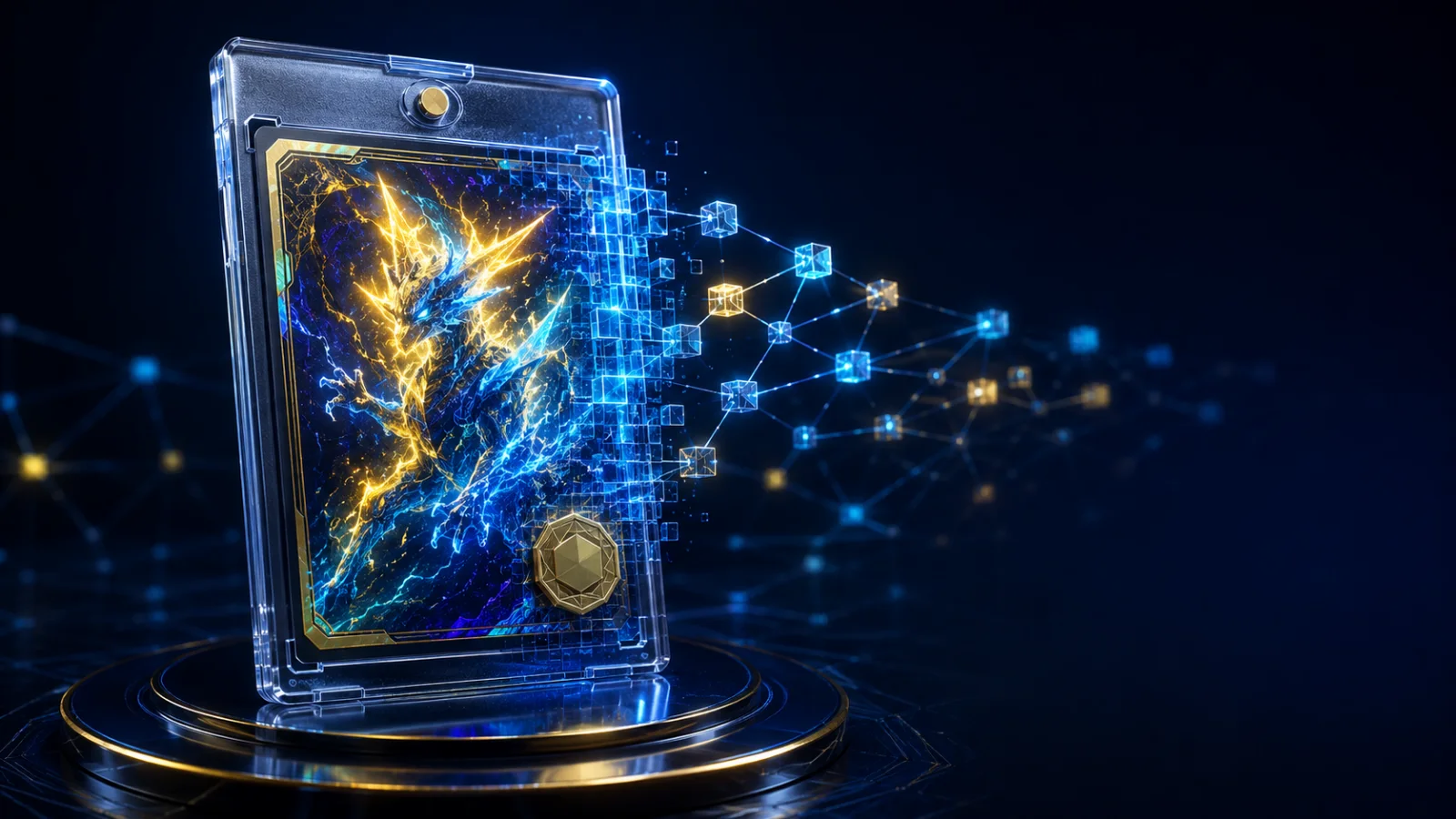
The global market for Pokémon trading cards has evolved into a multi-billion dollar industry, attracting both serious investors and nostalgic collectors. According to CoinDesk, blockchain startups are now actively working to integrate this physical asset class into the digital ecosystem by converting tangible cards into digital tokens. This transition aims to address long standing issues within the hobby, such as authentication, provenance, and the logistical challenges of shipping physical goods.
Enhancing Market Liquidity
Traditional trading card marketplaces often struggle with liquidity, as high value cards can take weeks or months to sell. By tokenizing these assets on a blockchain, platforms allow for fractional ownership and near instant settlement of trades. CoinDesk reports that the primary challenge for these startups remains building sufficient market volume to compete with established, non-crypto marketplaces that currently dominate the hobbyist space.
Authentication and Digital Provenance
One of the most significant advantages of moving physical collectibles onto a ledger is the ability to track an item's history permanently. Blockchain technology provides an immutable record of ownership, which helps mitigate the risks associated with counterfeit cards. By linking a physical card to a digital twin, investors can verify the condition and authenticity of an asset without needing to handle the physical item repeatedly.
Implications for Pakistani Collectors
For Pakistani collectors, the digitization of trading cards presents a unique set of considerations. While the Pokémon hobby has a growing presence in local urban centers, the ability to trade these assets globally via blockchain platforms could bypass traditional shipping hurdles and international payment barriers. However, Pakistani users must remain mindful of the regulatory environment, as the Federal Board of Revenue and the State Bank of Pakistan maintain strict oversight regarding digital asset transactions and foreign exchange outflows. Currently, there is no specific legal framework in Pakistan governing the trading of tokenized collectibles, meaning holders should exercise caution and ensure compliance with existing anti-money laundering guidelines.
The Future of Asset Tokenization
As the broader market for real world assets continues to move on-chain, the Pokémon card sector serves as a test case for how physical collectibles can be modernized. If these platforms successfully solve the liquidity gap, it could pave the way for other niche markets to adopt similar blockchain-based structures. The success of this transition will likely depend on user adoption and the ability of these platforms to integrate seamlessly with existing hobbyist communities.