The Evolving Threat Landscape
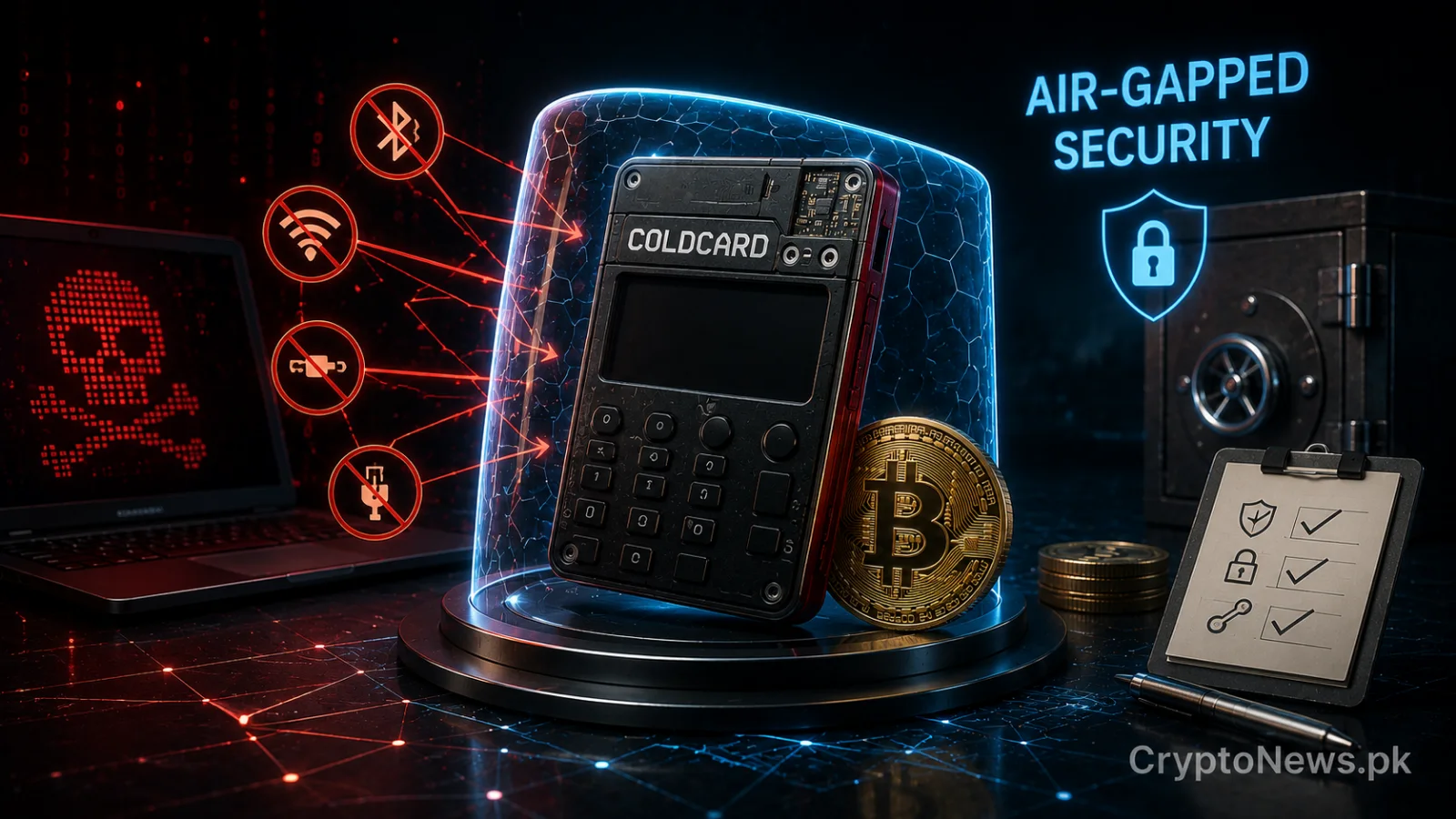
Bitcoin security expert Jameson Lopp recently highlighted a significant vulnerability within the Coldcard hardware wallet, suggesting that the industry must re-evaluate its reliance on the 'don't trust, verify' mantra. According to The Block, Lopp noted that while the philosophy remains foundational to Bitcoin, the emergence of advanced artificial intelligence is fundamentally changing how security flaws are identified and exploited.
Lopp explained that AI is acting as a double-edged sword for the cryptocurrency ecosystem. On one hand, developers are utilizing these tools to audit code more efficiently and identify potential bugs before they reach production. On the other hand, malicious actors are leveraging the same technology to uncover complex vulnerabilities in hardware and software wallets that might have previously gone unnoticed for years.
Rethinking Hardware Security
The incident involving Coldcard serves as a reminder that hardware wallets are not immune to sophisticated attack vectors. As AI-driven analysis becomes more accessible, the barrier to entry for discovering zero-day exploits in secure elements is lowering. This shift suggests that the security of a device is no longer just about its physical construction or its closed-source nature, but rather its ability to withstand automated, high-speed vulnerability scanning.
Industry analysts suggest that the future of wallet security will likely involve a more aggressive approach to bug bounties and open-source transparency. By allowing a broader community of researchers to audit code with the help of AI, companies can potentially patch vulnerabilities faster than attackers can exploit them. The focus is moving away from static security models toward dynamic, iterative defense strategies.
The Pakistan Perspective
For Pakistani cryptocurrency holders, these developments underscore the importance of operational security when managing digital assets. Many local users rely on hardware wallets to store their Bitcoin, often viewing them as a foolproof solution against exchange failures or phishing attempts. However, the news from global security experts serves as a reminder that no storage method is entirely risk-free.
In the context of Pakistan, where access to specialized technical support for hardware wallets is limited, users should prioritize keeping their firmware updated and diversifying their storage strategies. While the local regulatory environment remains complex under the PVARA framework, the personal responsibility of safeguarding private keys remains the most critical aspect of crypto ownership in the country. Pakistani investors should remain vigilant regarding firmware updates and security advisories issued by their respective hardware wallet manufacturers.
Balancing Trust and Verification
The core of the Bitcoin ethos remains the ability for users to verify the integrity of the system independently. Yet, as Lopp pointed out, the complexity of modern hardware makes this verification process increasingly difficult for the average user. Moving forward, the industry must find a balance between user-friendly interfaces and the technical transparency required for genuine security verification.
As AI continues to mature, the cat-and-mouse game between security researchers and attackers will likely intensify. For the average holder, this means that security is not a set-it-and-forget-it endeavor, but a continuous process of staying informed and adapting to new technological realities.
Pakistani crypto users should treat hardware wallets as a layer of defense rather than an absolute guarantee of security, ensuring they stay updated on the latest industry-wide vulnerability disclosures.