Market Reaction to Inflation Data
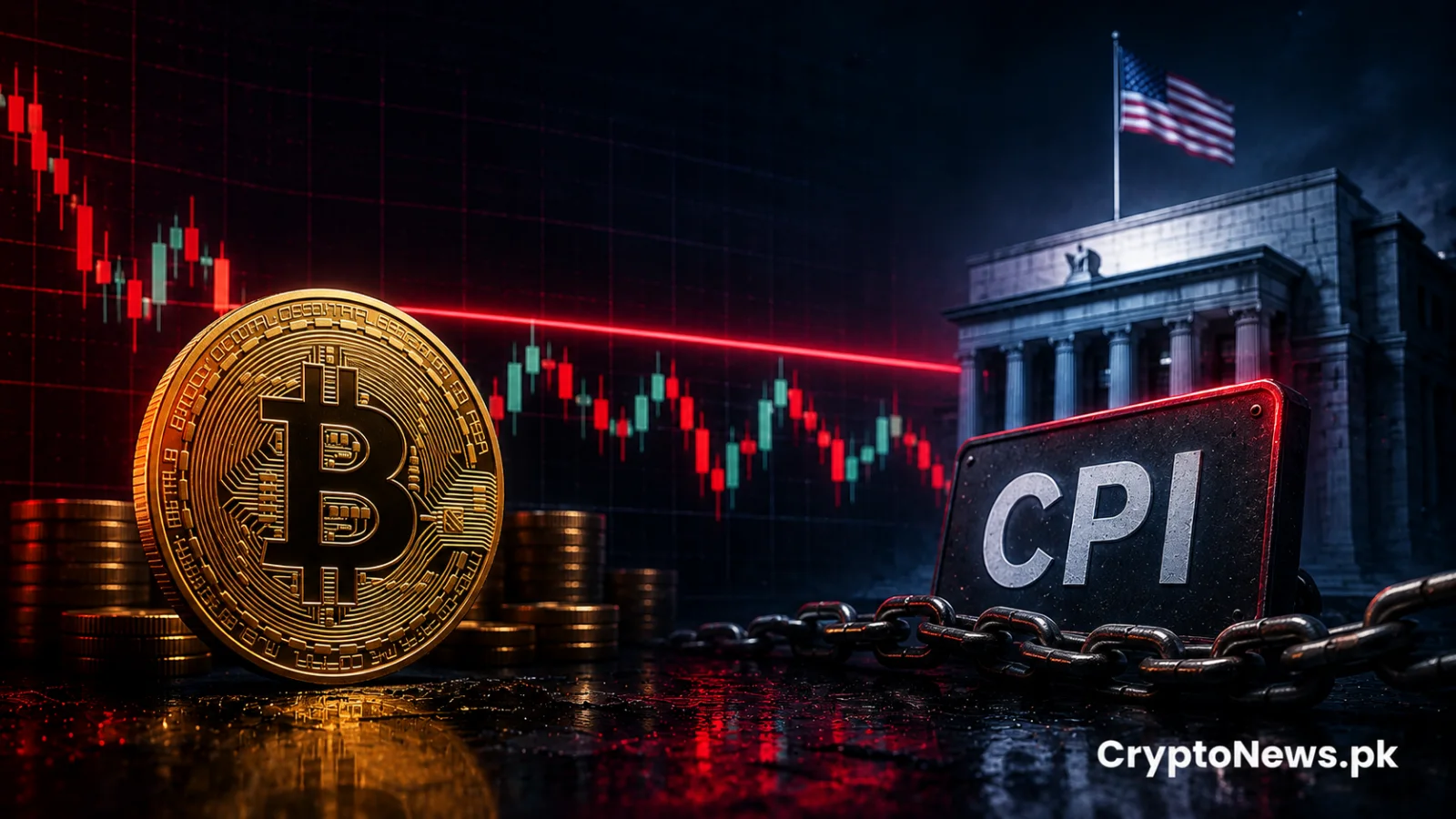
Bitcoin experienced a downward trend on August 14, 2024, slipping below the $64,000 mark shortly after the United States Bureau of Labor Statistics released the July consumer price index (CPI) report. The data showed inflation rising by 3.4 percent, a figure that aligned closely with analyst expectations and market forecasts.
According to The Block, the in-line nature of this inflation print has provided the Federal Reserve with additional time to evaluate economic conditions. Rather than forcing an immediate policy shift, the data suggests that central bank officials may continue to exercise patience before deciding on potential interest rate cuts in the coming months.
The Federal Reserve and Market Sentiment
Financial analysts have noted that the lack of a surprise in the CPI report has tempered immediate market volatility. While some investors were hoping for clear signals regarding a dovish pivot, the current economic environment remains characterized by caution and uncertainty.
Market participants are now closely monitoring upcoming speeches from Federal Reserve officials to gauge the likelihood of a rate reduction in September. The prevailing sentiment is that the central bank remains focused on ensuring inflation trends toward its long-term target before committing to a change in monetary policy.
Broader Economic Context
Beyond the immediate price action of Bitcoin, the broader digital asset market has shown signs of consolidation. High interest rates generally create a challenging environment for risk assets, as investors often prefer the stability of traditional fixed-income instruments when yields are attractive.
Analysts at various firms have indicated that until there is a definitive shift in the macroeconomic landscape, digital assets may continue to trade within a defined range. The correlation between traditional economic indicators and crypto performance remains a focal point for institutional and retail traders alike.
Implications for Pakistani Investors
For Pakistani crypto holders, the global movement of Bitcoin often influences local sentiment and the liquidity available on peer-to-peer (P2P) platforms. As the PKR remains sensitive to global economic shifts and dollar strength, a period of stagnation in major assets like Bitcoin can lead to reduced trading volumes within the local ecosystem.
Pakistani investors should remain aware that the Federal Reserve's policy decisions indirectly impact the strength of the US Dollar, which in turn affects the purchasing power of the PKR. While local regulations regarding digital assets remain stringent under current FBR and State Bank of Pakistan guidelines, users are encouraged to monitor how global inflation data influences the broader financial landscape, as these trends eventually filter down to local market accessibility and remittance costs.
Final Takeaway
Pakistani investors should view the current market consolidation as a reminder that global macroeconomic data from the U.S. remains a primary driver of digital asset volatility and local market sentiment.