The BIP-110 Soft Fork Incident
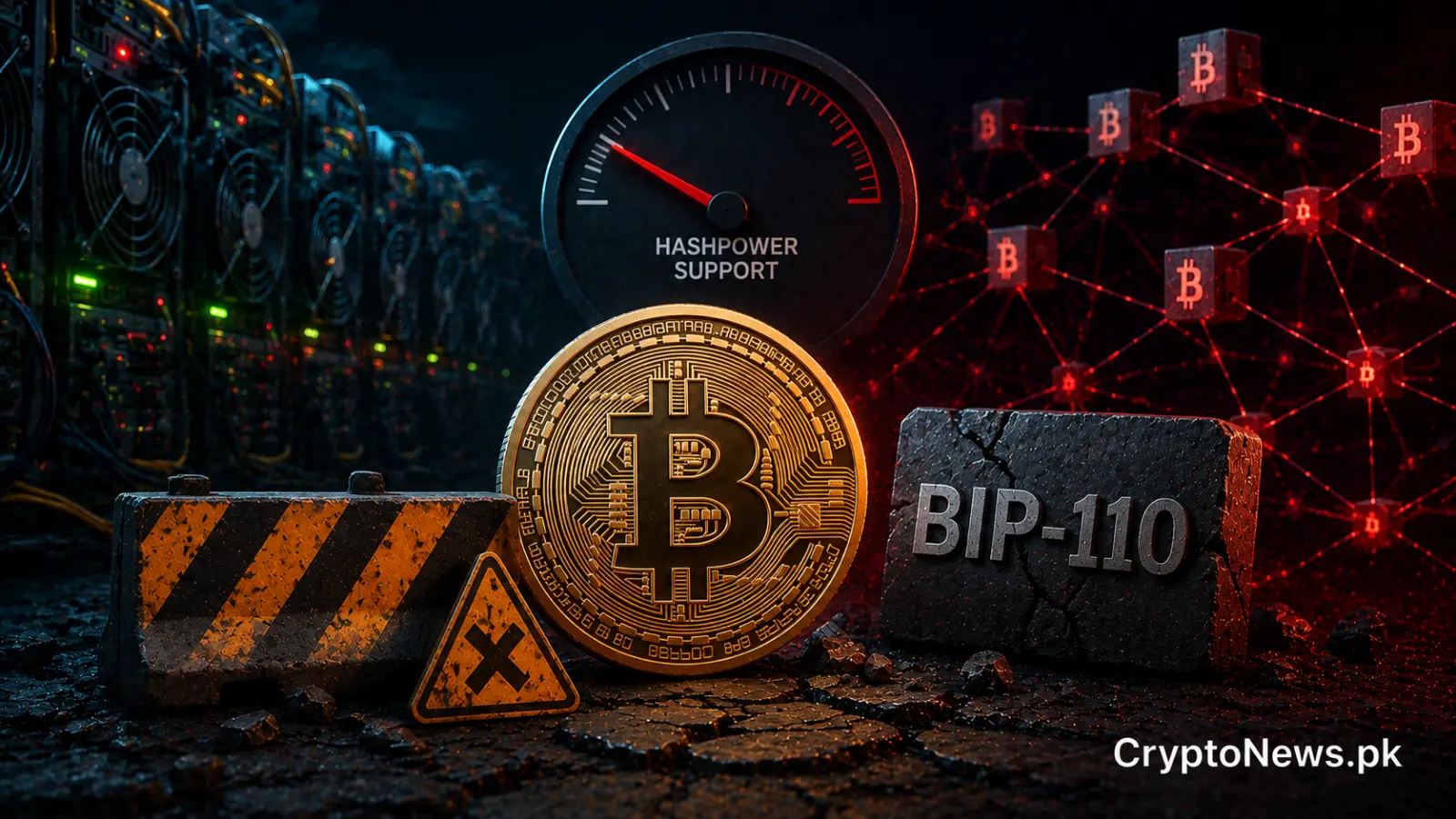
The Bitcoin network reached block 961,632 this week as a controversial soft fork proposal, known as BIP-110, attempted to initiate a change to the protocol. According to CoinDesk, the proposal failed to garner meaningful support from the mining community or influential industry commentators. Despite the lack of consensus, the attempt resulted in the creation of two blocks on a breakaway chain before activity ceased.
Technical Challenges and Hashpower Constraints
Because the breakaway chain inherited the existing Bitcoin mining difficulty without sufficient hashpower, the network struggled to produce new blocks. Reuters reported that the chain experienced significant delays, with blocks occurring hours apart. This lack of computational support meant the fork could not sustain itself, as the majority of the network remained committed to the original Bitcoin protocol.
Understanding Soft Forks and Network Security
In the context of Bitcoin, a soft fork is a backward compatible upgrade that does not require all nodes to update their software. However, BIP-110 was described as controversial because it lacked the broad community approval typically required for successful protocol changes. The incident serves as a reminder of the robustness of the Bitcoin network, which is designed to resist unauthorized or uncoordinated changes to its consensus rules.
Implications for Pakistani Crypto Holders
For investors in Pakistan, this event highlights the importance of relying on established, secure platforms rather than experimental forks. While the BIP-110 attempt did not result in a permanent split or loss of funds, it underscores the risks associated with unverified network activity. Pakistani holders should note that local exchanges typically only support the main Bitcoin chain, meaning there is no direct impact on assets held in standard wallets or reputable trading platforms. As always, users should remain cautious of any claims regarding new versions of Bitcoin that deviate from the primary network consensus.
Regulatory Context in Pakistan
Currently, the regulatory environment in Pakistan remains cautious regarding digital assets. The Federal Board of Revenue and the State Bank of Pakistan continue to monitor the space, focusing on anti-money laundering and the prevention of capital flight. Because this fork did not gain any market value or widespread adoption, it holds no relevance for tax reporting or regulatory compliance under current PVARA guidelines. Investors are encouraged to focus on the stability of the primary Bitcoin network rather than speculative technical experiments.