Market Correction and Geopolitical Influence
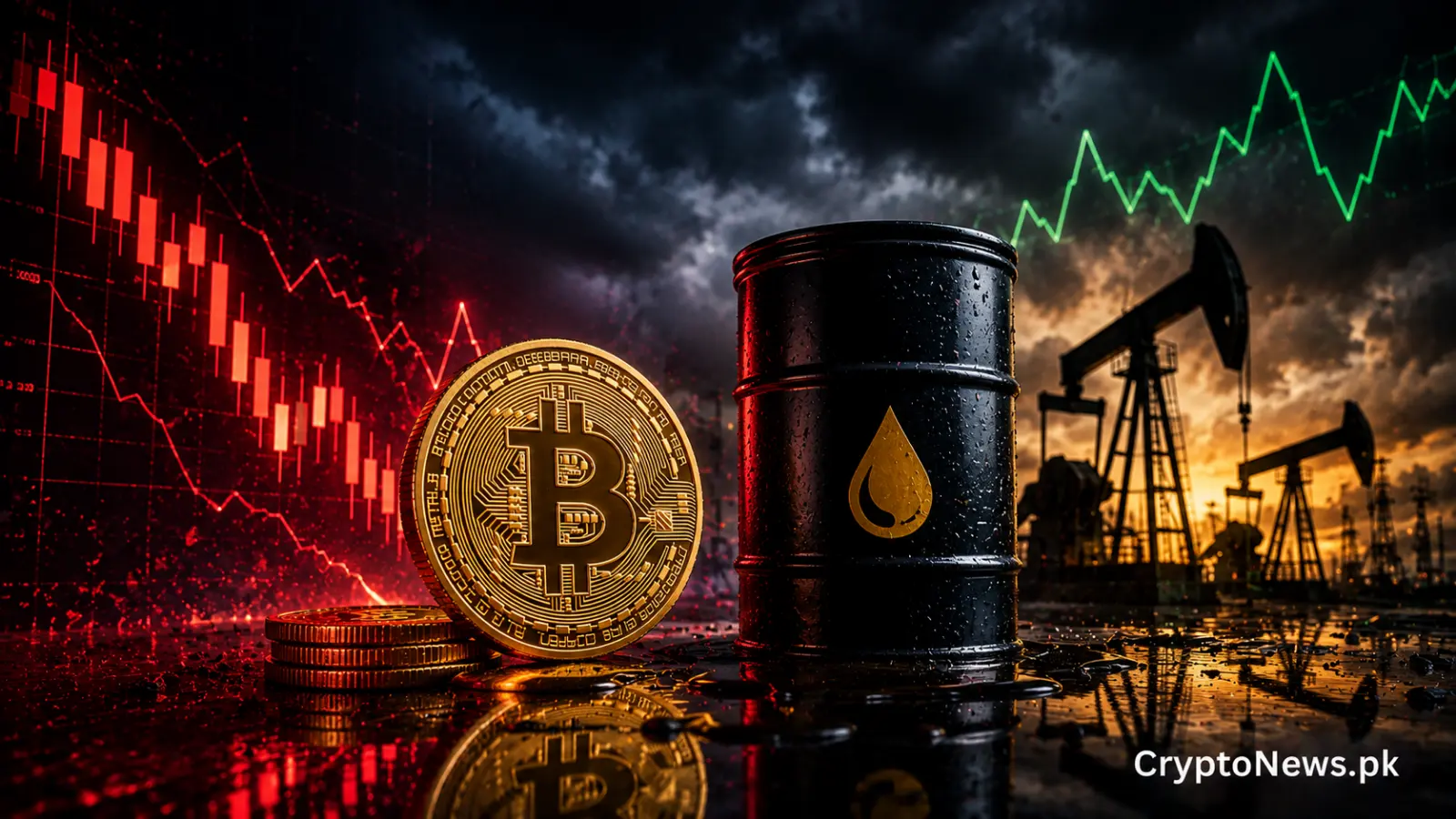
Bitcoin experienced a notable price decline this week, effectively erasing gains made over the previous weekend. According to Cointelegraph, this downward movement coincided with a 5 percent surge in oil prices, triggered by renewed concerns regarding the stability of the Strait of Hormuz. As global energy markets react to regional tensions, digital assets have shown an increased correlation with traditional risk assets, including United States equities.
Institutional Inflows and Market Resilience
Despite the immediate volatility, market analysts remain focused on the underlying health of the Bitcoin ecosystem. Reports indicate that institutional inflows into Bitcoin remain exceptionally strong, suggesting that large-scale investors are viewing current price dips as potential entry points. This institutional participation continues to provide a layer of support for the asset, even when broader macroeconomic factors exert downward pressure on the market.
The Pakistan Perspective
For Pakistani crypto holders, the recent global market volatility serves as a reminder of the interconnected nature of digital assets and traditional commodities. While the price of Bitcoin is determined on global exchanges, Pakistani investors often experience the impact through the lens of the PKR exchange rate and local liquidity constraints. As global oil prices rise, the resulting pressure on the Pakistani Rupee can indirectly influence the cost of acquiring digital assets through peer-to-peer platforms. It is essential for local users to monitor how global macroeconomic shifts affect the purchasing power of the PKR, as this directly dictates the feasibility of maintaining crypto portfolios.
Regulatory and Local Context
In Pakistan, the regulatory landscape remains cautious regarding digital asset trading, with the Federal Board of Revenue (FBR) and other authorities monitoring financial flows. Pakistani users should remain aware that volatility in global markets often leads to increased scrutiny of financial transactions. Given the lack of a formal, licensed exchange infrastructure within the country, most trading occurs via decentralized peer-to-peer channels. This environment requires users to exercise heightened caution during periods of extreme global market movement to avoid potential financial pitfalls.
Future Market Outlook
Analysts suggest that the current market phase is characterized by a tug-of-war between geopolitical uncertainty and long-term institutional adoption. While oil prices and regional stability in the Middle East continue to dictate short-term sentiment, the long-term trajectory of Bitcoin remains a subject of intense debate. Investors are advised to maintain a long-term perspective and avoid reacting impulsively to daily price fluctuations driven by external geopolitical events.