Market Trends and ETF Inflows
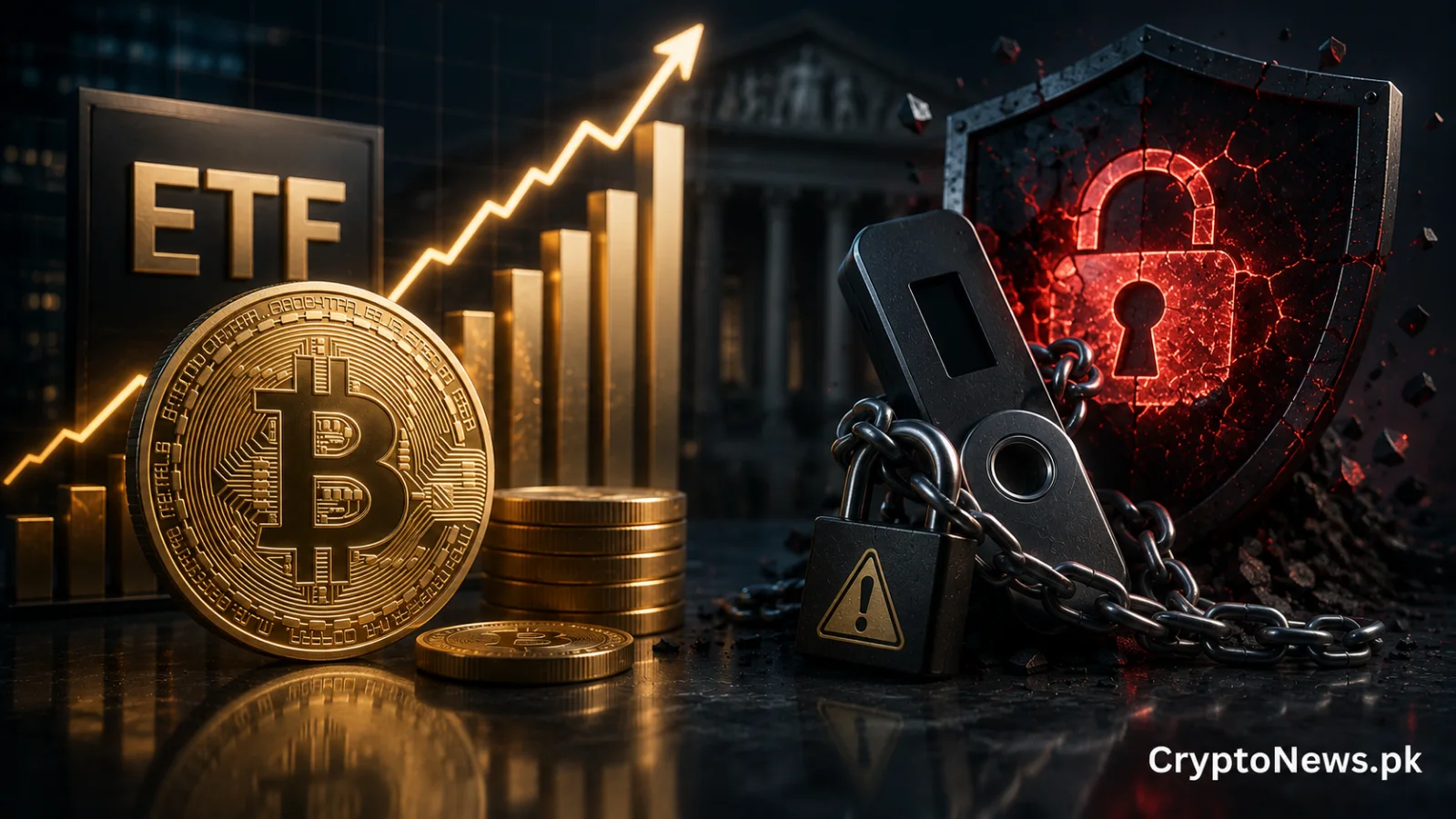
US spot Bitcoin exchange traded funds have experienced a notable week of consistent capital inflows, according to data tracked by Bloomberg analysts. This surge in institutional interest coincides with public reports regarding a security vulnerability identified in Coldcard hardware wallets. While market observers have noted the timing, analysts remain cautious about establishing a direct causal link between the hardware exploit and the increased ETF activity.
The Coldcard Security Incident
Reports surrounding the Coldcard wallet exploit have prompted significant discussion within the cybersecurity community regarding the risks of self-custody. Users of hardware wallets often view these devices as the gold standard for securing digital assets away from centralized platforms. However, the recent incident has led some investors to reevaluate their security protocols, with some questioning the long term reliability of physical storage devices when faced with sophisticated technical vulnerabilities.
Institutional Adoption vs Self-Custody
According to Cointelegraph, the debate centers on whether the recent inflows represent a broader shift in investor sentiment toward institutional custody. While ETFs offer a regulated and simplified way to gain exposure to Bitcoin, they do not provide the same level of direct control as self-custody. Financial experts suggest that the convenience of ETFs may be becoming more attractive to risk-averse investors who are concerned about the technical complexities and potential points of failure inherent in managing private keys.
Impact on Pakistani Crypto Holders
For Pakistani crypto holders, the global debate between self-custody and institutional products highlights the importance of asset security in a volatile regulatory environment. Most local users rely on centralized exchanges due to the lack of direct access to international spot Bitcoin ETFs. Because Pakistani investors cannot easily invest in US-listed ETFs, they remain largely dependent on self-custody or local exchange wallets. It is essential for local holders to prioritize security by using reputable hardware wallets and following best practices, as the lack of legal recourse for crypto losses in Pakistan makes personal security measures the only line of defense against potential hacks or platform failures.
Regulatory Context and Future Outlook
As the global market matures, the tension between decentralized ownership and institutional financial products is expected to continue. Regulatory bodies globally are watching these trends closely to determine how to balance consumer protection with the innovative nature of digital assets. For the average investor, the key takeaway remains that both self-custody and institutional products carry distinct risk profiles that must be carefully managed according to individual technical expertise and security requirements.
Pakistani investors should prioritize robust self-custody security measures, as they currently lack access to the regulated institutional ETF products that are driving global market sentiment.