The Case for Bitcoin in Modern Portfolios
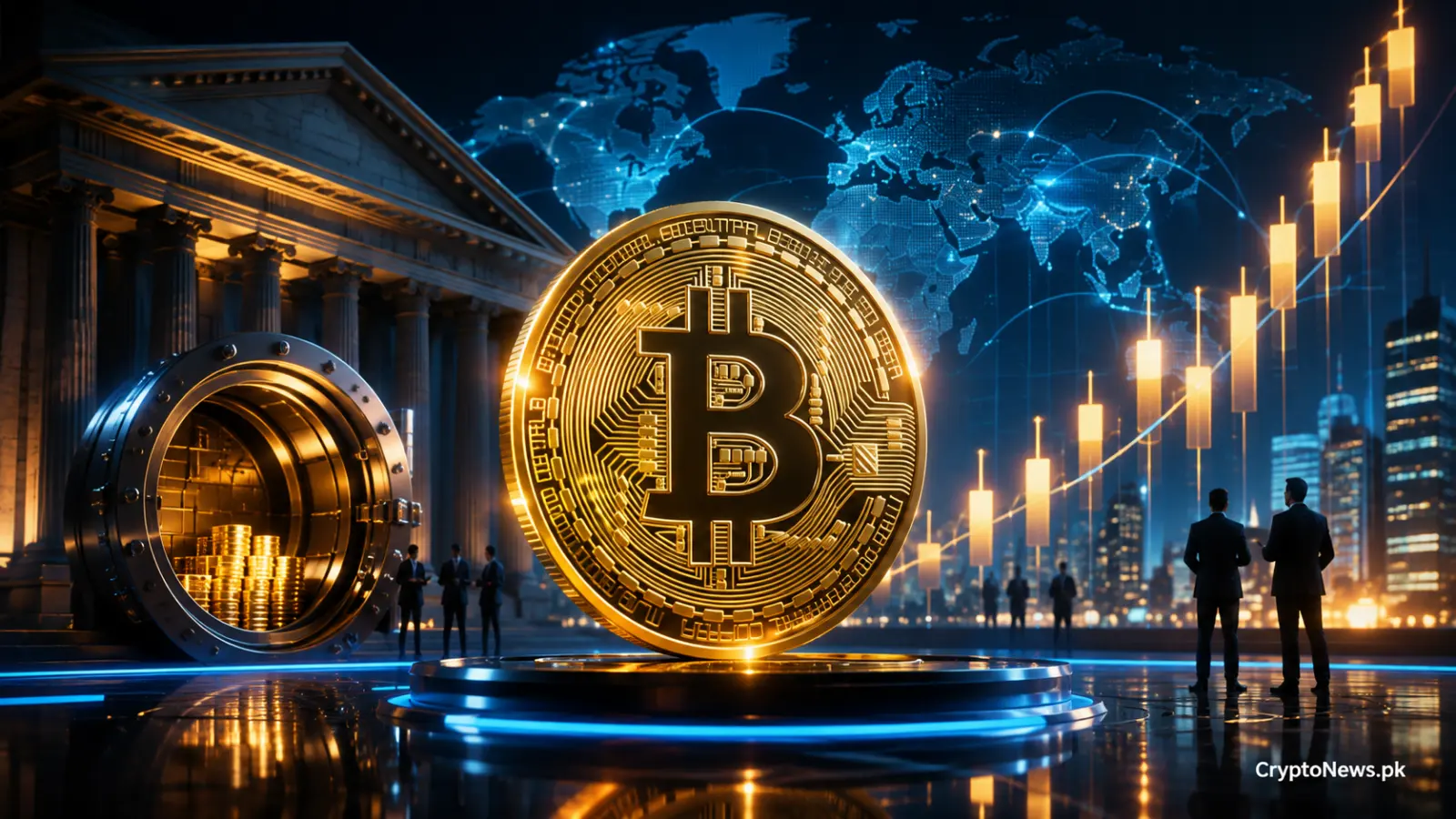
Recent analysis from Bitcoin Suisse indicates that traditional investment strategies are facing a significant dilemma as artificial intelligence investments dominate market sentiment. As government debt levels rise globally and the historical diversification benefits of stock and bond portfolios weaken, institutional interest in bitcoin as a non-correlated asset is growing. According to CoinDesk, the integration of digital assets is being viewed as a strategic hedge against the volatility inherent in tech-heavy, AI-focused equity markets.
Why Bonds Are Losing Their Traditional Appeal
For decades, investors relied on the classic 60/40 portfolio, where bonds acted as a stabilizer against stock market downturns. However, recent market conditions have seen this correlation break down, leading to simultaneous declines in both asset classes during periods of economic stress. Analysts suggest that bitcoin may offer a unique alternative because it does not share the same interest-rate sensitivity as sovereign debt. This shift is prompting wealth managers to reconsider how they allocate capital to protect against inflationary pressures and fiscal instability.
The Role of AI and Macroeconomic Factors
Artificial intelligence has become the primary driver of equity growth, yet this concentration of capital creates systemic risk. When portfolios are heavily weighted toward a few AI-focused tech giants, the lack of diversification becomes apparent during market corrections. Bitcoin, characterized by its fixed supply and decentralized nature, is increasingly perceived as a digital store of value that operates independently of central bank monetary policies. By decoupling from traditional financial instruments, digital assets provide a different risk profile for institutional and private investors alike.
Implications for Pakistani Investors
For Pakistani crypto holders, this global trend highlights the importance of asset diversification in an environment characterized by PKR volatility and high inflation. While local regulatory frameworks under the PVARA and FBR remain cautious regarding crypto-assets, many Pakistanis continue to use digital assets as a hedge against the devaluation of the local currency. Accessing these markets through global exchanges remains a common practice, though users must remain vigilant regarding local compliance and the risks associated with cross-border digital transactions. As global institutions pivot, Pakistani investors should monitor how these shifts influence international liquidity and the broader perception of digital assets as legitimate financial tools.
Navigating the Future of Digital Assets
While the adoption of bitcoin as a bond substitute is still in its early stages, the narrative is shifting from speculative trading to long-term portfolio management. Investors are encouraged to focus on the underlying utility of blockchain technology and the macro factors that drive demand for decentralized assets. Understanding these global trends is essential for anyone looking to navigate the intersection of traditional finance and the evolving digital economy.
As global financial institutions begin to view bitcoin as a legitimate portfolio stabilizer, Pakistani investors should prioritize understanding the long-term macroeconomic role of digital assets rather than focusing solely on short-term price fluctuations.