A Strategic Shift for Base
Base, the Ethereum layer-2 network incubated by Coinbase, is preparing to launch a suite of 1:1 backed tokenized equities. Jesse Pollak, the creator of Base, recently indicated that these financial products are imminent, marking a significant evolution for the platform. This move signals a departure from the network's initial focus on social media applications and consumer-facing decentralized apps toward a more robust financial infrastructure.
According to Cointelegraph, the integration of tokenized assets is part of a broader industry push to bring traditional financial instruments onto the blockchain. By leveraging the speed and low costs of the Base network, the protocol aims to provide users with seamless access to global equity markets through tokenized representations. The platform has already seen substantial growth in total value locked, positioning it as a primary hub for decentralized finance activity within the Ethereum ecosystem.
The Mechanics of Tokenization
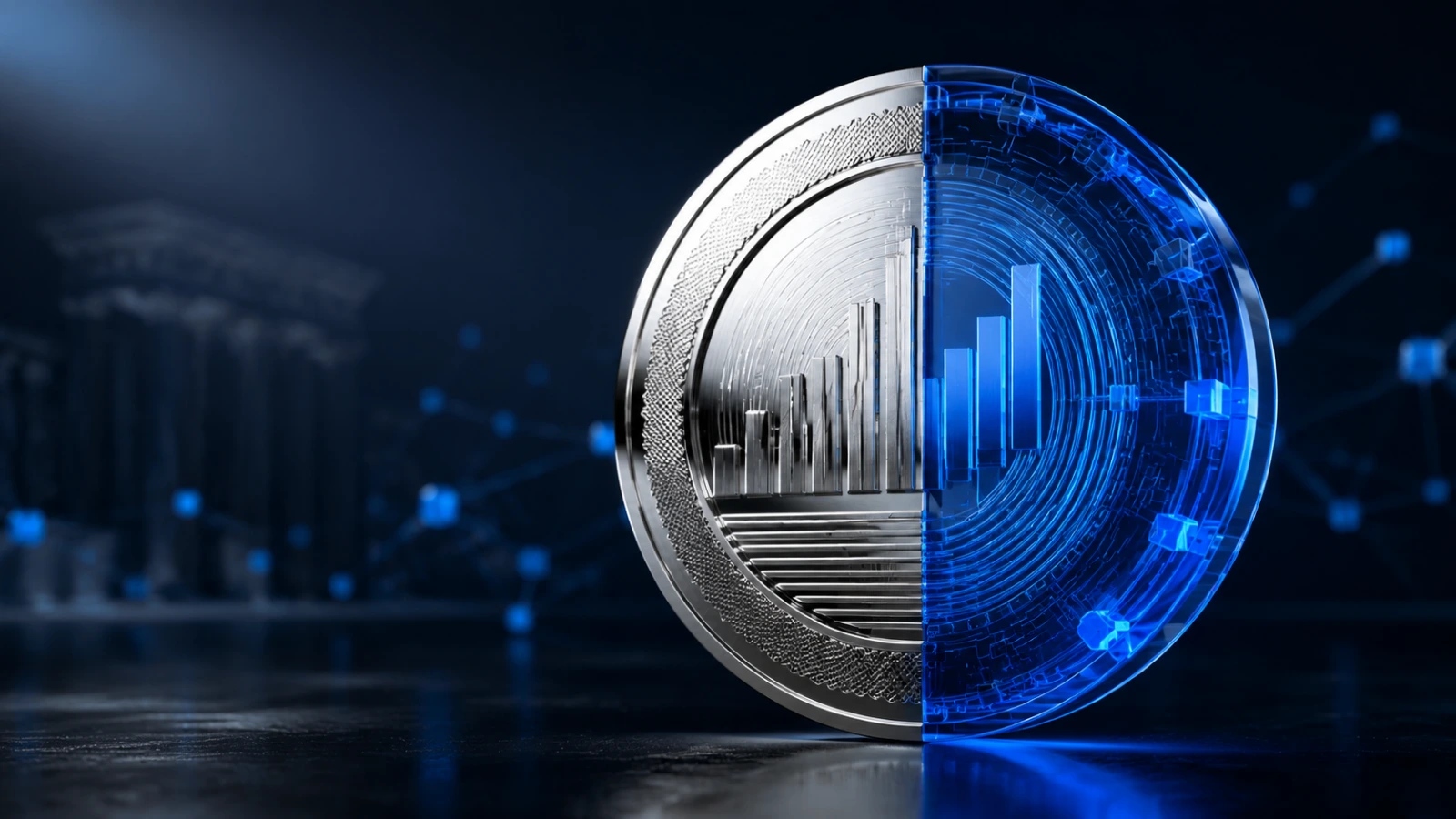
Tokenized equities represent ownership of traditional stocks through blockchain-based tokens. Each token is intended to be backed 1:1 by the underlying asset, ensuring that the digital representation maintains parity with the traditional market value. This structure allows for 24/7 trading cycles and fractional ownership, which are often difficult to achieve through conventional brokerage accounts.
Industry analysts suggest that the success of these products will depend heavily on regulatory compliance and the transparency of the backing assets. As Base continues to scale, the ability to bridge the gap between legacy finance and decentralized protocols remains a primary objective for the development team. The shift reflects a growing trend among layer-2 solutions to capture institutional interest by offering more than just basic transaction processing.
Implications for the Pakistani Market
For Pakistani crypto enthusiasts, the emergence of tokenized equities on Base presents a complex landscape. Currently, local investors face significant hurdles regarding the direct purchase of international stocks due to foreign exchange controls and the limited availability of regulated platforms that bridge PKR to global equity tokens. Furthermore, the Federal Board of Revenue and the State Bank of Pakistan maintain strict oversight regarding capital outflows and digital asset investments.
While the technology offers a theoretical path to global market exposure, Pakistani users must remain cautious of the legal status of such platforms. The Prevention of Electronic Crimes Act and ongoing discussions surrounding the Virtual Asset Regulatory Authority (PVARA) suggest that any engagement with tokenized securities should be approached with extreme caution. Local holders should prioritize platforms that comply with existing financial regulations to avoid potential issues with tax reporting or anti-money laundering protocols.
The Path Ahead
As Base moves closer to this launch, the broader crypto community is watching closely to see how the network manages the transition to regulated asset classes. The move could set a precedent for how other layer-2 networks handle real-world assets in the future. For now, the focus remains on the technological readiness of the Base infrastructure to support high-volume financial trading.
Pakistani investors should monitor local regulatory updates regarding digital assets before attempting to access global tokenized equity markets.