The Stablecoin Initiative
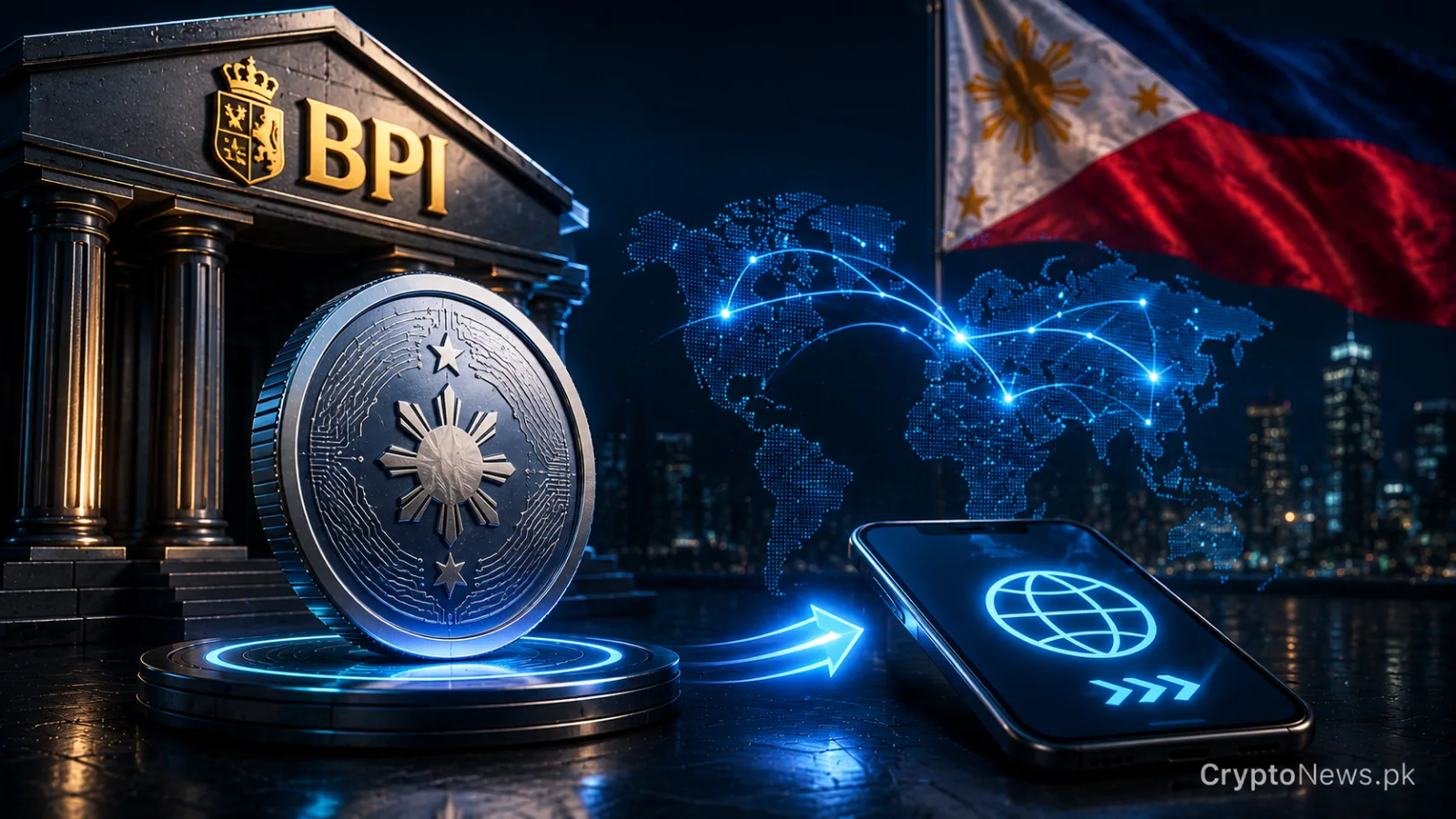
The Bank of the Philippine Islands (BPI) has announced a new pilot program focused on stablecoin settlements, according to reports. The initiative is intended to improve the speed and reduce the costs of cross-border payments for Filipino remote workers. By testing stablecoin technology, the bank aims to explore methods for enhancing the efficiency of international fund transfers.
Driving Financial Efficiency
Traditional remittance channels often involve multiple intermediary banks, which can lead to delays and higher costs. The BPI pilot seeks to test a direct settlement layer to address these common friction points in global payments. This move aligns with broader regional interest in Southeast Asia where financial institutions are evaluating digital assets to improve retail and institutional payment infrastructure.
Context in the Digital Asset Landscape
Stablecoins, which are typically pegged to fiat currencies, are being evaluated by financial institutions as tools for operational improvement. Unlike speculative digital assets, these tokens are being tested for their utility in processing daily financial transactions. As global financial regulators continue to refine frameworks for digital assets, banks are increasingly viewing these tokens as potential components for modernized payment systems, provided they meet necessary operational standards.
The Pakistan Angle
For the Pakistani diaspora and local recipients, the BPI initiative serves as an observation point for how established banks in emerging markets approach remittance reform. Pakistan remains heavily dependent on inward remittances, which are primarily processed through traditional banking corridors. While the State Bank of Pakistan maintains a cautious regulatory stance toward digital assets, the pilot in the Philippines highlights a global shift toward exploring blockchain-based solutions for cross-border liquidity. Currently, Pakistani users lack official bank-backed stablecoin support, and any activity involving these assets remains largely within the peer-to-peer or informal sector, subject to local regulatory oversight.
Regulatory Considerations
Any integration of blockchain technology into mainstream banking is expected to operate within existing financial frameworks. The use of digital assets in a banking environment requires adherence to standard anti-money laundering and know-your-customer protocols. Financial observers are monitoring the pilot to see how the bank manages technical integration while maintaining compliance with established international and local financial standards. This pilot represents a measured step toward the institutional evaluation of stablecoins in the banking sector.
Disclaimer: This article is for informational purposes only and does not constitute financial advice. Readers should conduct their own research before engaging with digital assets.