The Allegations Against Apple
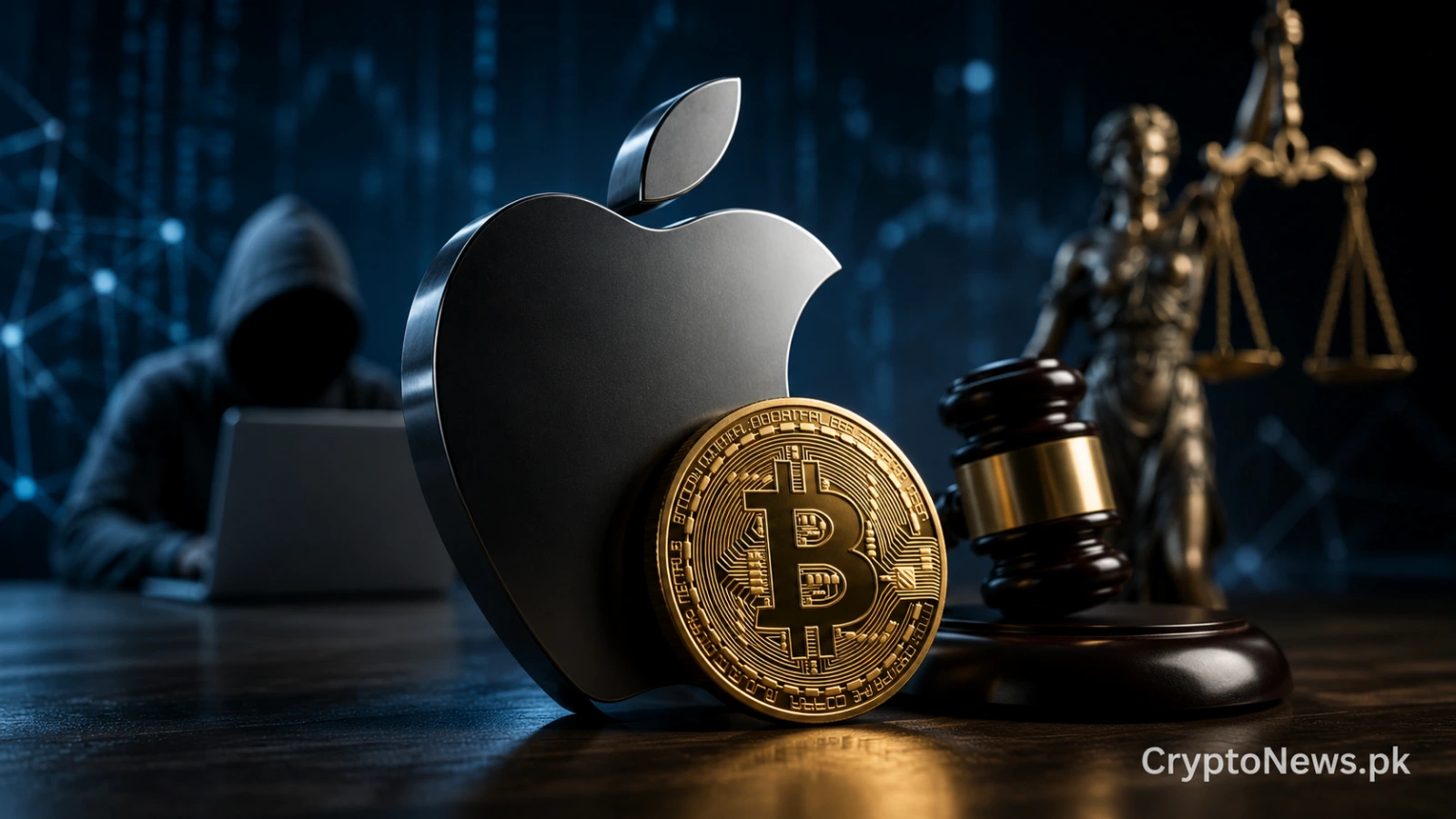
Three users have filed a lawsuit against Apple, alleging that a fraudulent version of the Sparrow Wallet application available on the App Store caused them to lose over $1.8 million in Bitcoin. According to Cointelegraph, the plaintiffs claim the tech giant failed to properly vet the application, allowing a malicious actor to masquerade as a legitimate service provider.
The lawsuit suggests that the fake app was designed to mimic the interface and functionality of the genuine Sparrow Wallet. Once users deposited their Bitcoin into the application, the funds were allegedly siphoned off by the perpetrators. The plaintiffs argue that Apple bears responsibility for these losses due to its strict control over the App Store ecosystem and its marketing of the platform as a secure environment for users.
Security and App Store Oversight
This case brings renewed attention to the vetting processes employed by major technology companies when hosting financial applications. While Apple has long maintained that its App Store is a walled garden designed to protect consumers from malware and phishing attacks, this incident suggests that sophisticated fraudulent apps can still bypass these security protocols.
Legal experts note that the outcome of this case could set a significant precedent for how tech platforms are held accountable for financial losses occurring within their digital marketplaces. If the court finds that Apple was negligent in its review process, it could force a major shift in how the company manages and audits third party financial software moving forward.
The Pakistan Angle for Crypto Holders
For Pakistani crypto enthusiasts, this incident serves as a stark reminder of the risks associated with storing digital assets in mobile wallets. While the Federal Board of Revenue (FBR) and local authorities continue to monitor the digital asset landscape, Pakistani users often rely on international platforms for their trading and storage needs. Because the local regulatory framework remains in a state of evolution, users have limited legal recourse if they fall victim to international app-based scams.
Pakistani holders should prioritize using hardware wallets or well-vetted, open-source software downloaded directly from official developer websites rather than relying solely on app store listings. Additionally, given the volatility of the PKR and the complexities of international remittances, losing significant capital to a fraudulent app can have a devastating impact on a user's financial stability. It is essential to verify the authenticity of any wallet app by checking official community channels and GitHub repositories before transferring any funds.
Broader Implications for Digital Security
As the adoption of Bitcoin and other cryptocurrencies continues to grow globally, the frequency of sophisticated phishing attacks is likely to increase. This lawsuit underscores the necessity for users to maintain a high level of vigilance, regardless of the platform they are using. Security is not just a responsibility of the software provider, but also a critical practice for the individual user who must ensure they are interacting with genuine, verified software.
Investors should remain cautious of any application that requests private keys or seed phrases, as legitimate non-custodial wallets will never ask for this information in a manner that compromises security. As the legal proceedings against Apple unfold, the industry will be watching closely to see how the court balances the responsibilities of platform providers with the individual security practices of digital asset holders.