Expansion of DeFi Infrastructure
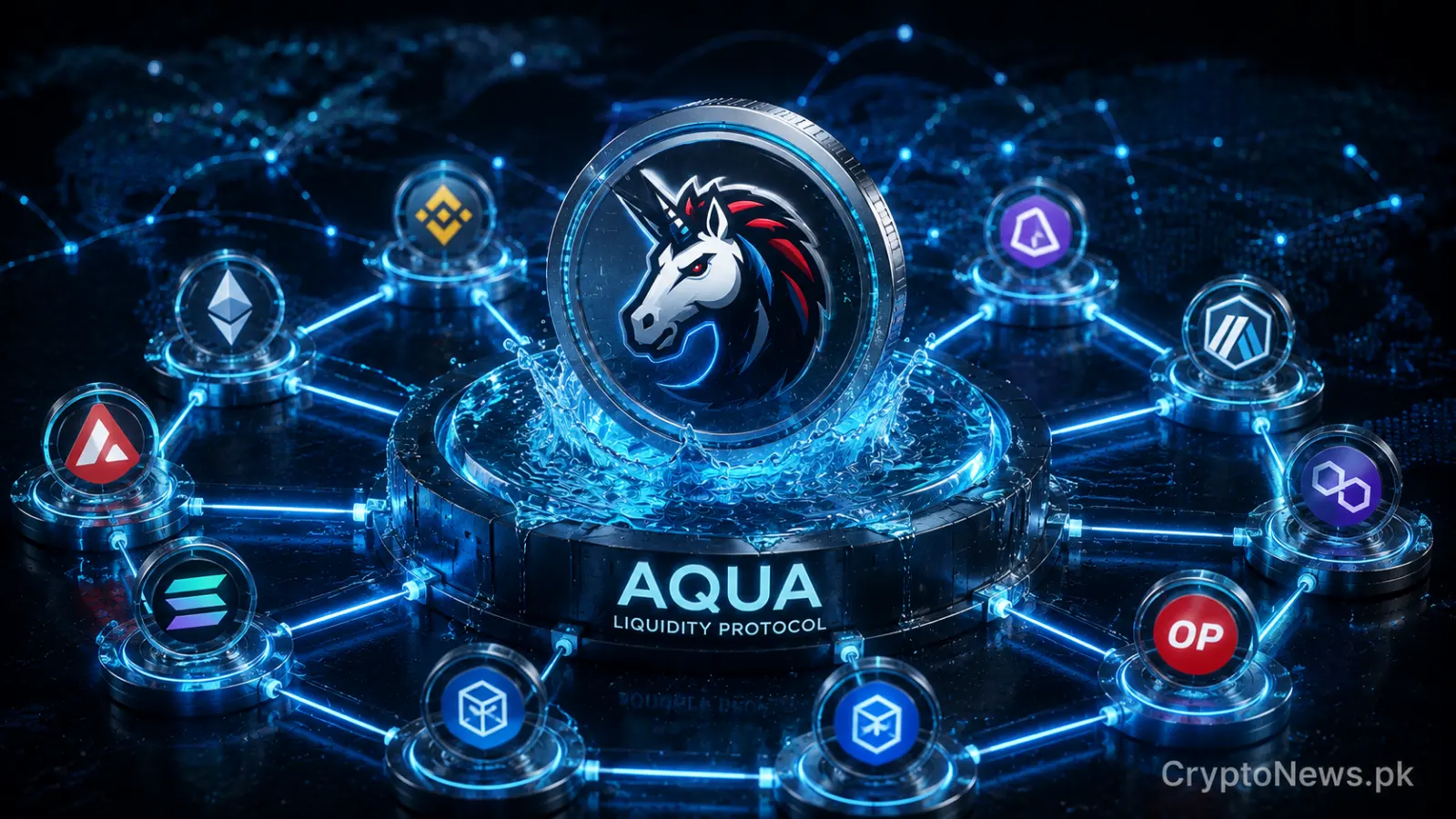
On October 24, 2024, the 1inch Network officially launched its Aqua liquidity protocol, a new infrastructure layer designed to improve capital efficiency across 13 different blockchain networks. According to CoinDesk, this protocol allows liquidity providers to maintain control of their assets within their own wallets while simultaneously backing multiple positions. This shift aims to solve the common issue of capital fragmentation, where users are traditionally forced to split their holdings across various pools to participate in decentralized finance activities.
Solving Capital Fragmentation
The core innovation of the Aqua protocol lies in its ability to let users utilize a single balance of assets to support multiple liquidity positions. By removing the requirement to deposit funds into separate, isolated pools, 1inch intends to reduce the technical friction often associated with yield farming and market making. According to the project developers, this architecture is designed to provide better liquidity depth for traders while offering a more flexible environment for those providing the capital.
Multi-Chain Integration
By deploying across 13 distinct chains, 1inch is positioning the Aqua protocol to serve a broad spectrum of the decentralized finance ecosystem. This cross-chain approach ensures that users on various networks, including Ethereum and its Layer 2 scaling solutions, can access the same liquidity management tools. The protocol is built to integrate seamlessly with existing 1inch aggregation services, which are already widely used for finding optimal trade paths across decentralized exchanges.
Implications for Pakistani Crypto Holders
For Pakistani crypto enthusiasts, the launch of protocols like Aqua highlights the ongoing evolution toward more sophisticated decentralized finance tools. While the direct impact on Pakistani users is limited by the current regulatory climate, those interacting with decentralized platforms should remain aware of the complexities involved in cross-chain liquidity. Pakistani investors using non-custodial wallets to access these services must ensure they are compliant with local guidelines regarding digital asset holdings. Furthermore, as the Federal Board of Revenue continues to monitor digital asset activity, users should maintain clear records of their liquidity positions, as these activities may be subject to future tax reporting requirements under the evolving PVARA framework.
Future Outlook for Liquidity Protocols
The introduction of Aqua represents a broader industry trend toward optimizing how liquidity is handled in a fragmented market. As decentralized finance continues to mature, the focus is shifting from simple asset swapping to more complex capital management strategies. Investors and developers alike will be watching to see how the 1inch protocol performs in terms of security and user adoption over the coming months. The success of such initiatives often depends on their ability to balance high-level technical efficiency with user-friendly interfaces that cater to both retail and institutional participants.